EN
EN
Après ski is a big part of what makes a ski holiday feel like a ski holiday - but if you've never done it before, it helps to know how it actually works. This guide covers the practical side: what to wear, where to go, how the evening unfolds, and how to get the most out of it without overdoing it. It's written for first-timers, but there's plenty here for returning skiers too. If you want to understand the tradition itself - where it comes from and how it varies across Europe - our guide to what après ski is has you covered. And if you're choosing a resort specifically for its après scene, our best après-ski resorts in Europe guide is the place to start.
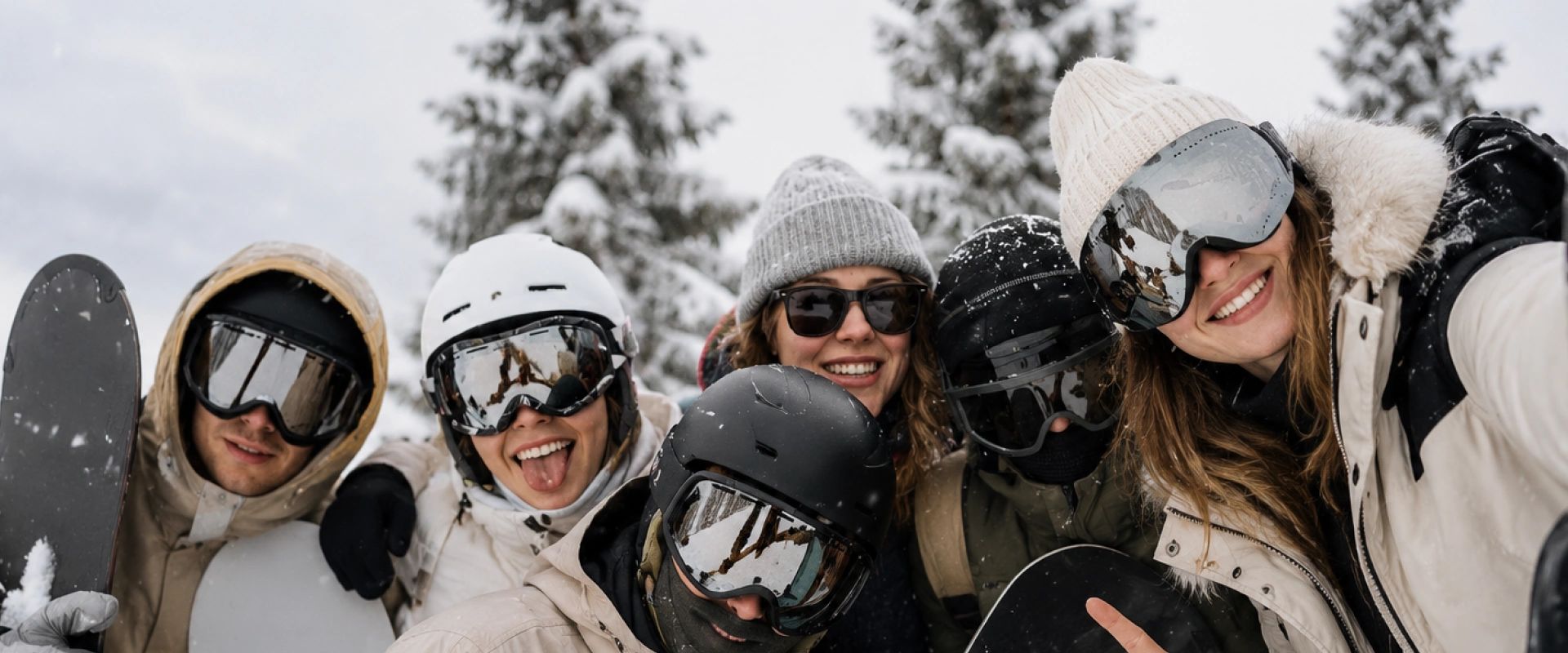
For the first hour or two after skiing - the slope-side terrace drink, the base-area bar - ski gear is completely normal. You'll be surrounded by people in the same outfit. Nobody changes before the first drink, and in most resorts, ski trousers and a fleece are the standard uniform until at least 6pm.
Where it shifts is the evening. If you're heading out for dinner or moving into the village later on, most people change into something more comfortable. That doesn't mean smart - a clean jumper, jeans, and a warm coat are more than enough in nearly every Alpine resort. Comfortable shoes are the key thing. After a day in ski boots, your feet will thank you for something flat and warm.
A handful of high-end resorts - Courchevel, parts of Verbier, Lech - have venues where the dress code is a step above casual. If you're planning to eat at a fine-dining restaurant, it's worth checking in advance. For everywhere else, practical and comfortable is the right call.
Après ski has a natural flow, and once you've seen it once, you'll recognise it everywhere. It starts when the lifts close - usually between 4pm and 4:30pm - with a drink at whatever bar or terrace is nearest to the slopes. This first phase is the most relaxed and communal part of the evening. People are tired, happy, and in no rush.
Between 5:30pm and 7pm, there's a transition. Many people head back to their accommodation to shower and rest. Some bars quieten down; others - particularly in Austria - keep going without a break. By 7:30pm or 8pm, the evening shifts to dining. Most resort restaurants serve from around 7pm, and dinner is a social centrepiece in every country.
After dinner, the options depend on the resort. Some have late-night bars and clubs; others wind down by 11pm. Knowing that the evening has these phases helps you plan it - you don't have to commit to all of them, and there's no expectation that you will.
Every resort has a few key après spots, and the easiest way to find them is to follow the crowd at the end of the ski day. The base-area bars at the bottom of the main lifts are always the starting point - they fill up naturally and they're hard to miss. From there, the village centre takes over as the evening develops.
If you prefer a quieter evening, look for the restaurants and bars slightly off the main drag. Most resorts have a secondary zone - a side street, a different neighbourhood, the base of a quieter lift - where the pace is more relaxed. These spots often have better food and more interesting character than the main après bars.
Mountain restaurants are also worth knowing about. In many resorts, certain on-mountain restaurants stay open into the early evening and offer a completely different après experience - sunset views, quieter tables, and a ski-down to the village afterwards. Ask your ski school instructor or the resort concierge which ones are worth visiting; they'll know which spots match what you're after.
This is the single most practical piece of advice in this guide. Alcohol hits harder at altitude - most ski resorts sit between 1,200 and 2,300 metres above sea level, and the reduced oxygen makes a noticeable difference. Two drinks at altitude can feel like three or four at sea level, especially after a physically tiring day on the slopes.
The practical solution is simple: alternate drinks with water, eat something substantial before or alongside your first drink, and don't try to match the pace of people who've been doing this for years. Nobody judges a measured approach, and you'll enjoy the evening more - and the next day's skiing - if you take it steady.
Hydration deserves its own mention. Mountain air is dry, you've been exercising all day, and the combination of altitude and alcohol dehydrates you faster than you'd expect. Carrying a water bottle in the evening and drinking a full glass before bed makes a real difference to how you feel the next morning.
Food is one of the best parts of après ski, and the resorts that do it well are the ones where the evening feels most complete. A long dinner with friends after a day on the mountain is hard to top - and it's a central part of the tradition, even if it doesn't always get labelled as après.
In French and Italian resorts, dining is the main event. Long lunches on the mountain blur into the afternoon, and evening meals are built around multiple courses, local wine, and slow conversation. In Austrian resorts, the food is heartier and the pace faster, but the mountain restaurants and village gasthauses are still excellent.
One practical tip: in popular resorts during peak weeks, restaurant tables fill up quickly. Booking a day or two ahead for dinner - especially at well-known mountain restaurants or village favourites - saves disappointment. Your accommodation host or the resort tourist office can usually recommend the best options and help with reservations.
Après ski doesn't have to mean a bar. Across the Alps, resorts have a wide range of post-ski activities that are just as much a part of the tradition. Spa visits, swimming pools, ice skating, night sledging, snowshoe walks, and cinema screenings are all common - and they're especially popular with families, non-drinkers, and anyone who wants to unwind without a glass in hand.
Many resorts run a weekly programme of events: torchlit descents, firework displays, live music in the village square, local food markets, and themed evenings. These are usually advertised at the tourist office or on the resort app, and they're worth looking out for - they add variety to the week and give you a sense of the resort's character beyond the slopes.
If you're travelling with a group that has mixed interests, the non-bar side of après is where you'll find common ground. A late-afternoon swim, a sunset walk, or an early evening at the ice rink works for everyone - and you can split off for dinner or a bar afterwards without anyone missing out.
The après-ski culture varies significantly between countries, and knowing what to expect helps you settle in faster. In Austria, après starts early, the music is loud, and the atmosphere is communal - standing-room bars, shared tables, and an energy that builds through the afternoon. It's social and inclusive, and joining in is easy even if you're on your own.
In France, the pace is different. The early-evening slot is quieter, and the energy shifts to dining and village bars later on. French après is more about the full evening arc than a single peak moment. Swiss resorts tend to be polished and understated - the bars are stylish, the music is lower, and the emphasis is on quality. Italian resorts lean into food and wine, with long meals and a relaxed approach that stretches the evening out.
None of these styles is better or worse - they're different, and the one you'll enjoy most depends on your own preferences. If you're unsure, try the local approach for a night or two before forming an opinion. Most people find their rhythm within a day.
Ski gear is fine for the first drink. Change into comfortable clothes and flat shoes for dinner.
The evening flows: slope-side bar (4pm) - rest/change (5:30pm) - dinner (7:30pm) - optional late night.
Follow the crowd to the base-area bar first. Side streets and quieter venues are worth exploring later.
Alternate drinks with water. Altitude amplifies the effects of alcohol.
Book dinner restaurants a day or two ahead in peak weeks.
Non-bar après - spas, ice rinks, sledging, live music - is widely available and worth trying.
Austria is high-energy. France is food-led. Switzerland is polished. Italy is relaxed. Match the country to your mood.
The slope-side phase of après typically starts when the lifts close, which is usually between 4pm and 4:30pm depending on the resort and time of season. In Austrian resorts, some bars open earlier - from around 3pm - and the atmosphere builds through the afternoon. The evening phase, centred on dining and village bars, picks up from around 7pm.
Not necessarily. A drink or two at a slope-side bar and a casual dinner is a typical evening for most skiers, and it doesn't need to be expensive. The non-bar side of après - walking, swimming, watching a torchlit descent - is usually free or included with resort facilities. The amount you spend is entirely within your control.
Of course. Hot chocolates, non-alcoholic cocktails, and soft drinks are available everywhere, and nobody pays attention to what's in your glass. The food and activity side of après - restaurants, spas, live music, village events - is completely independent of alcohol. Many of the best après experiences have nothing to do with drinking.
Ski resorts are generally very safe, and après-ski venues are busy, well-lit, and communal. Solo travellers often find après is where they meet other people - shared tables, group lessons, and bar conversations are a natural part of the culture. The usual common-sense precautions for any evening out apply.
It depends on what you're looking for. St Anton in Austria is the classic choice for high-energy après. Val d'Isère in France has a cosmopolitan evening scene. Courmayeur in Italy is outstanding for food-led après. Our best après-ski resorts in Europe list covers the full range.
Got a clearer picture of what you want from your evenings? WeSki’s AI trip planner turns your priorities into a shortlist of resorts - tell it what matters and it'll find the right match.