
FR
FR
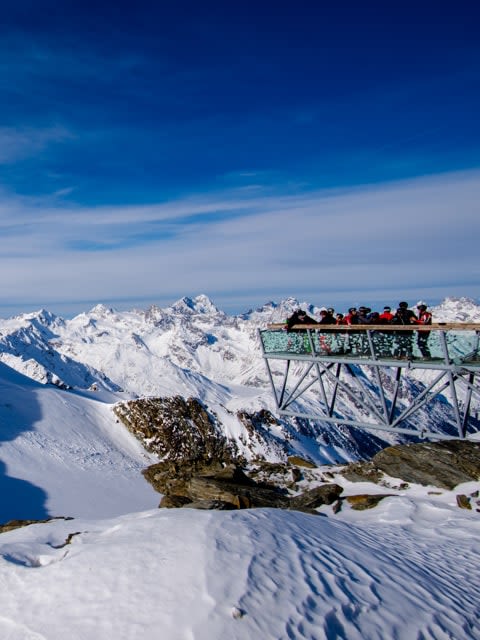
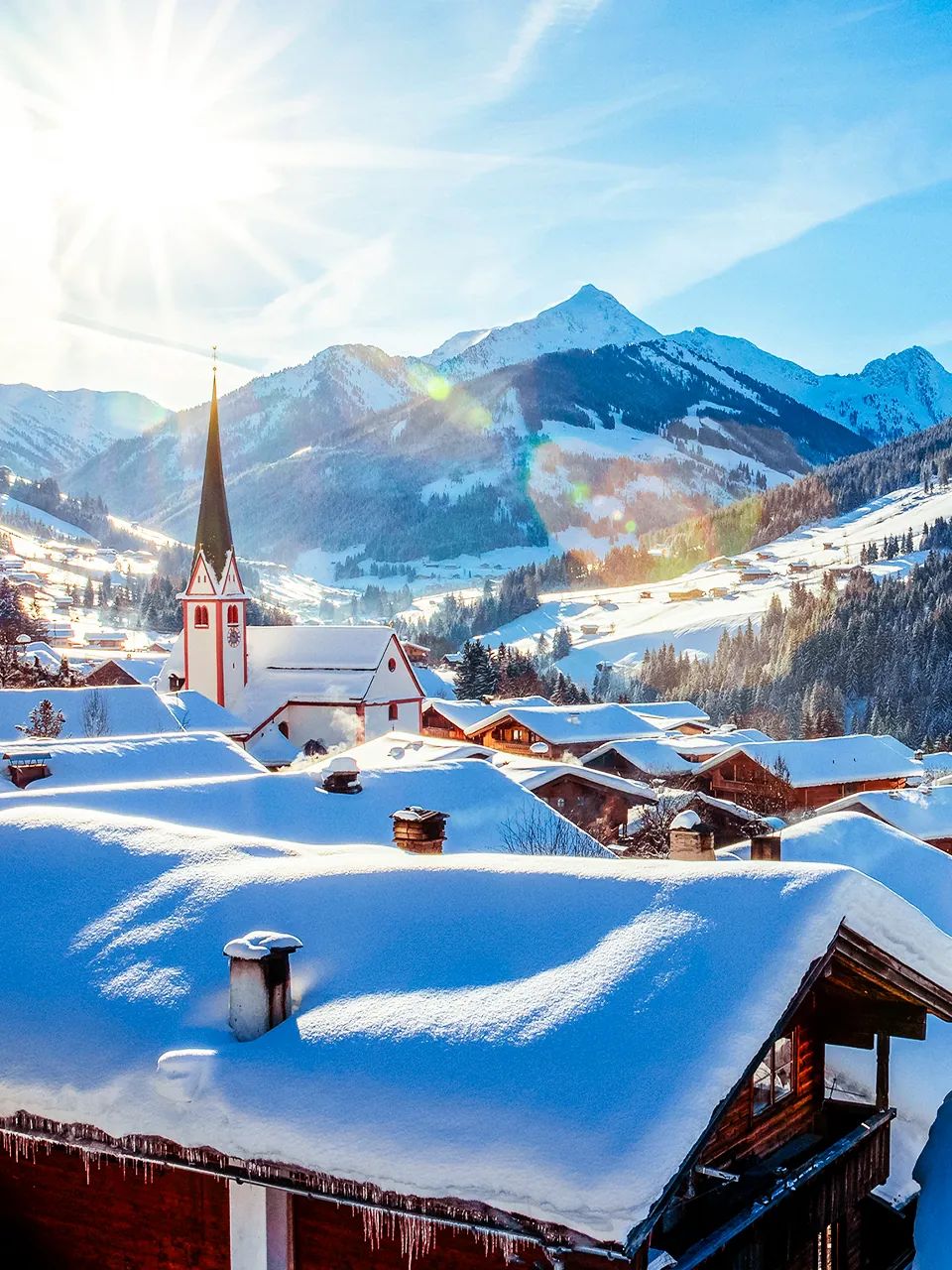
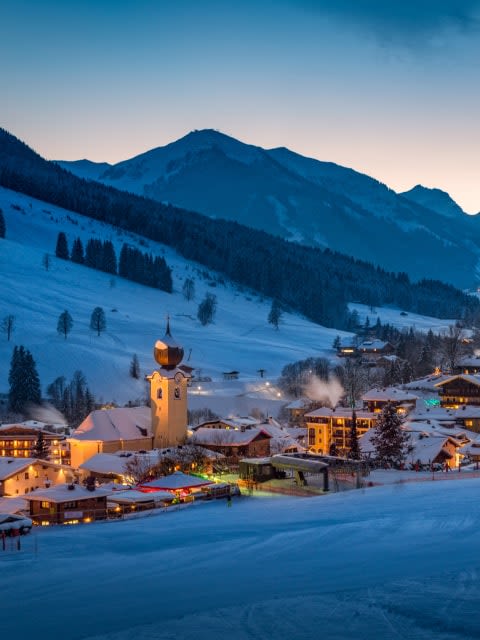
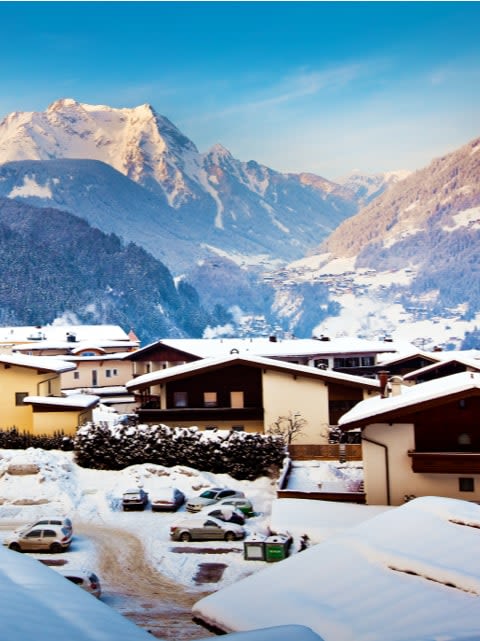
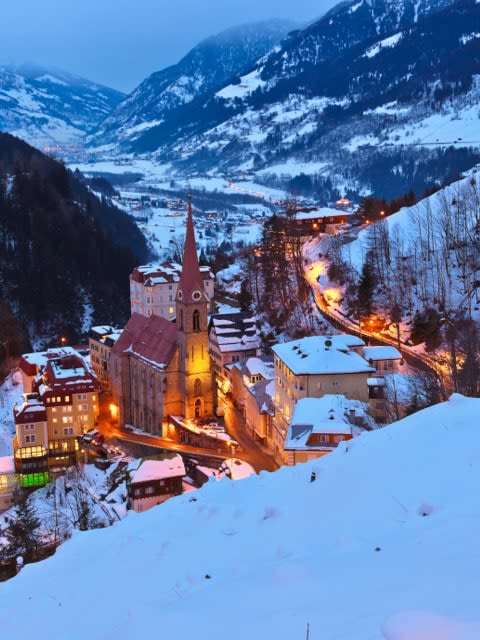
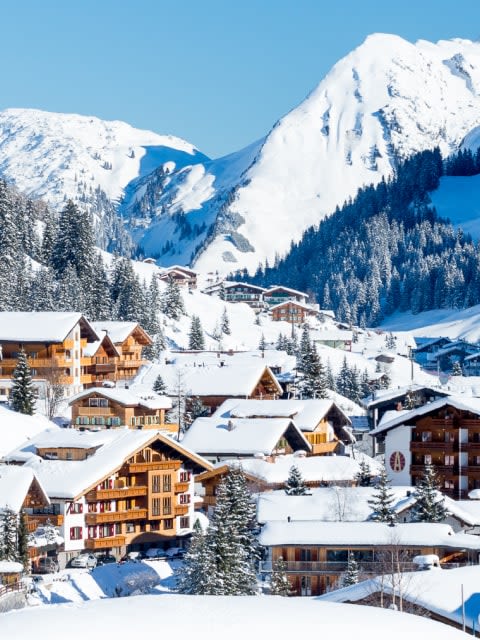
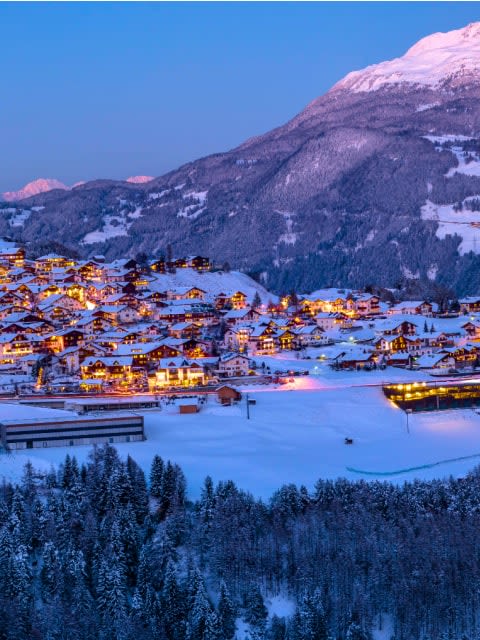
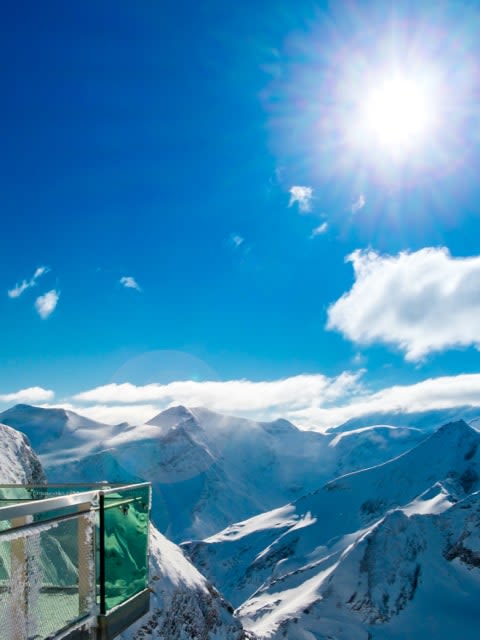
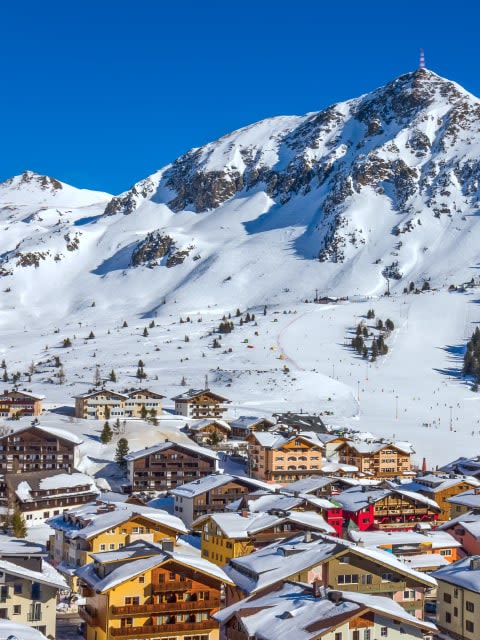
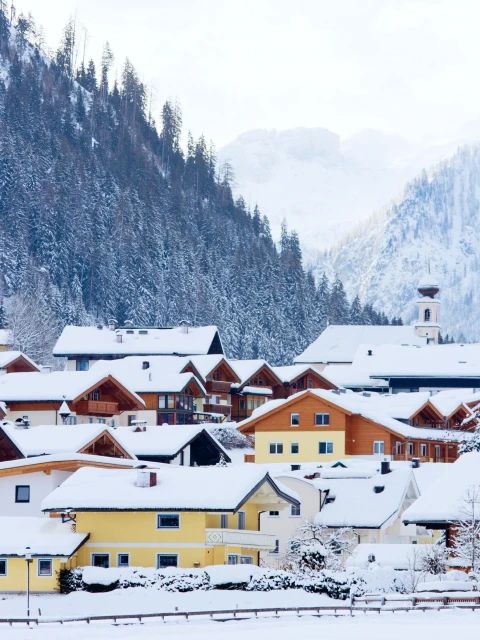
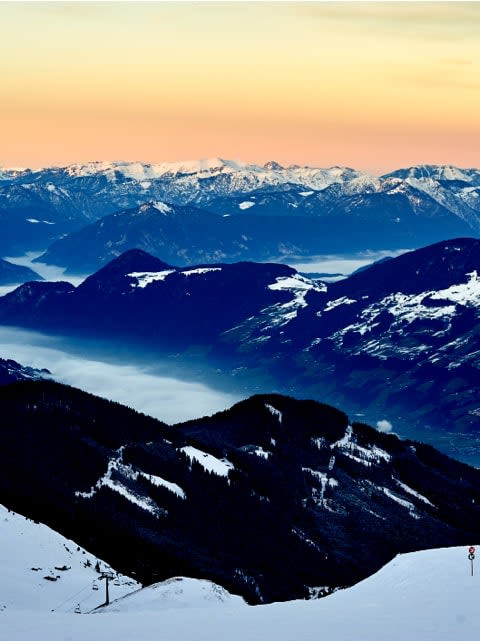
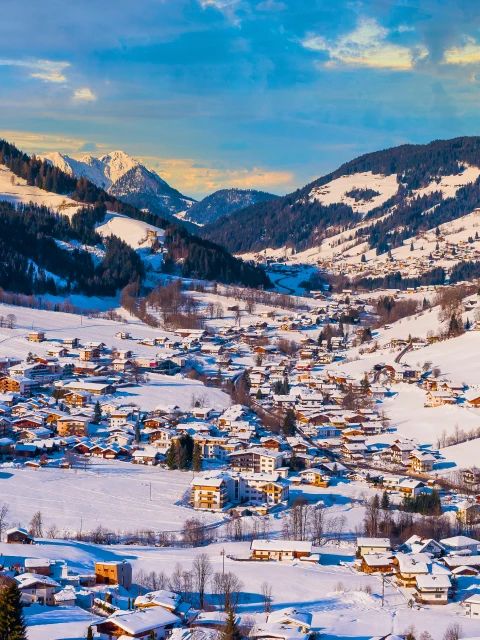
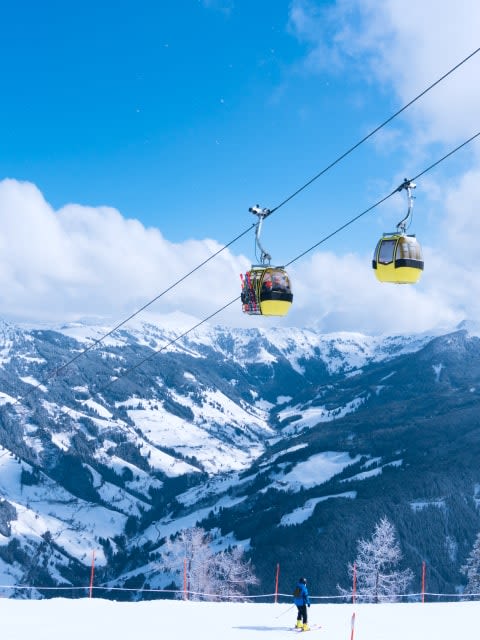
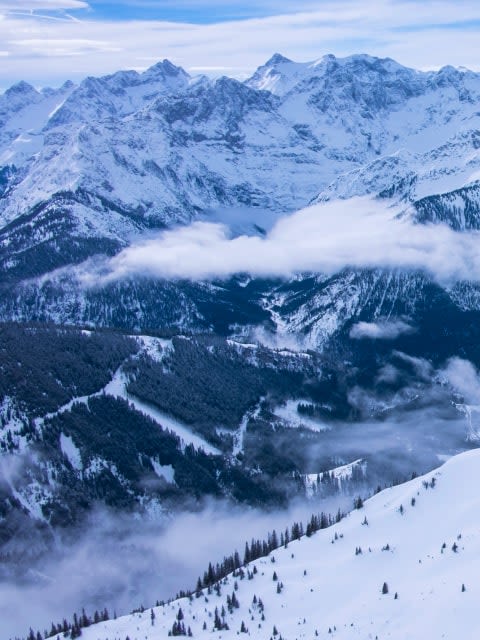
L'Autriche est légitimement l'une des destinations de ski les plus populaires d'Europe grâce à ses stations de ski d'altitude, ses pics spectaculaires couverts de neige et ses plus de 7 277 km de pistes. De ses magnifiques villages chaleureux à ses hébergements de haut standing, en passant par son atmosphère décontractée et ses excellentes installations de montagne, les stations de ski autrichiennes ont tout ce qu'il faut pour transformer tes prochaines vacances au ski en une expérience riche et enrichissante qui restera gravée dans tes souvenirs.
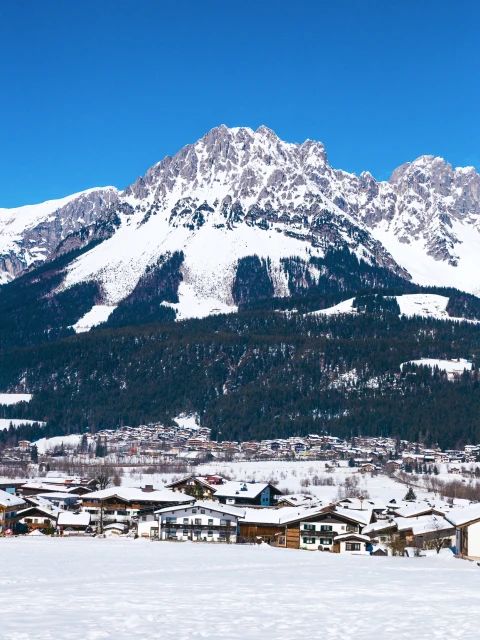
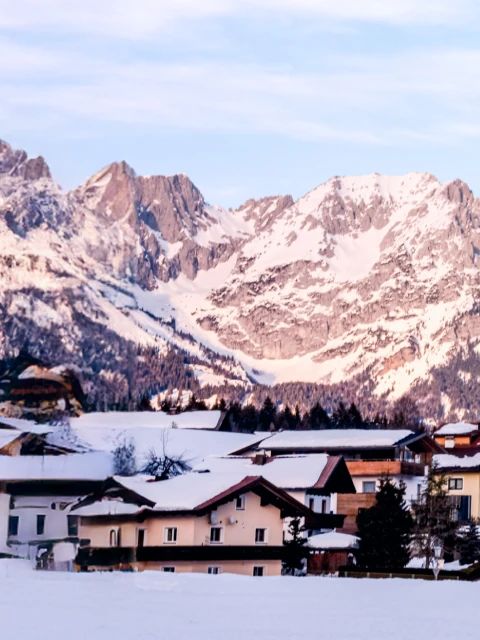
For families visiting Austria, Ellmau and Alpbach are both excellent options. Ellmau's ski schools run dedicated kids' clubs from age two, with nursery slopes and gentle runs close to a village centre that's easy to get around on foot. A water park nearby adds a change of pace, and the village itself has plenty of Tyrolean restaurants and shops for evenings that families enjoy. Alpbach has a dedicated children's learning zone and lower, extra-secured chairlifts, backed by traditional, family-run guesthouses with their own wellness areas. Off the mountain, there's sleigh rides and toboggan runs to fill the rest of the day, plus cosy restaurants serving hearty Tyrolean fare in the village.
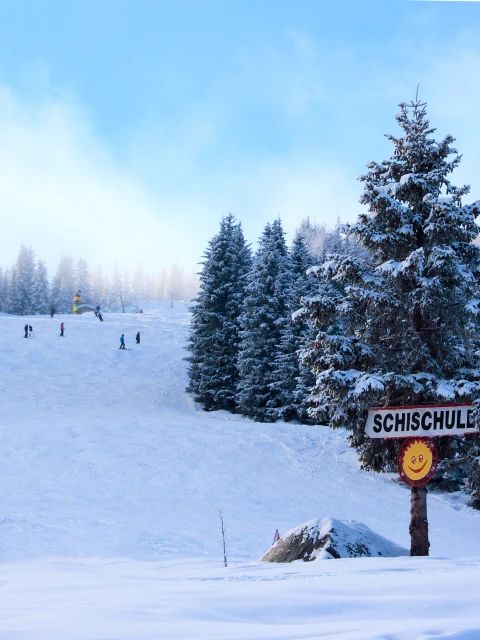
For beginners, Niederau and Westendorf are two of Austria's most reliable starting points. Niederau's nursery slopes sit right by the village centre, with a relaxed, uncrowded pace and ski schools well known for working with first-timers. Westendorf offers a setup with gentle slopes just steps from the centre, small class sizes, and a few tree-lined blue runs to progress onto once the basics click.
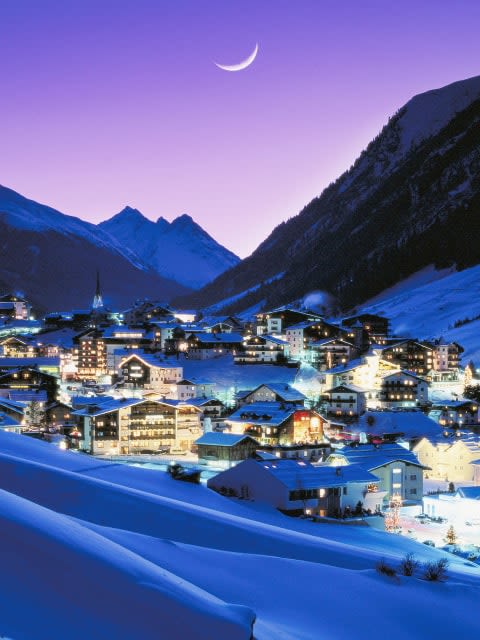
For groups after a quality nightlife scene as much as quality time on the slopes, St. Anton and Ischgl are Austria's two standout options. St. Anton's après scene plays out right on the mountain, with a run of slope-side bars lining the pistes back to the village, so skiers stop from one to the next on the way down. Ischgl's nightlife runs later and bigger, continuing from the slopes into the small hours across dozens of bars and clubs, with headline concerts each season that have brought artists like Elton John and Robbie Williams to the mountain.
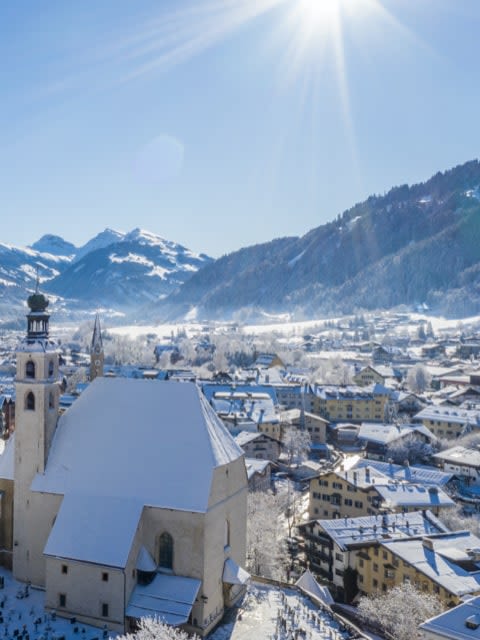
For a premium ski trip, Lech Zürs am Arlberg and Kitzbühel are Austria's two leading choices. Lech Zürs draws a discreet, high-profile crowd, with five-star hotels offering direct ski-in, ski-out access and a standard of service that's drawn celebrities and royalty back for decades. Kitzbühel's luxury plays out within a medieval old town of cobbled streets, designer boutiques, and award-winning restaurants, so the experience carries on well into the evening long after the lifts close.
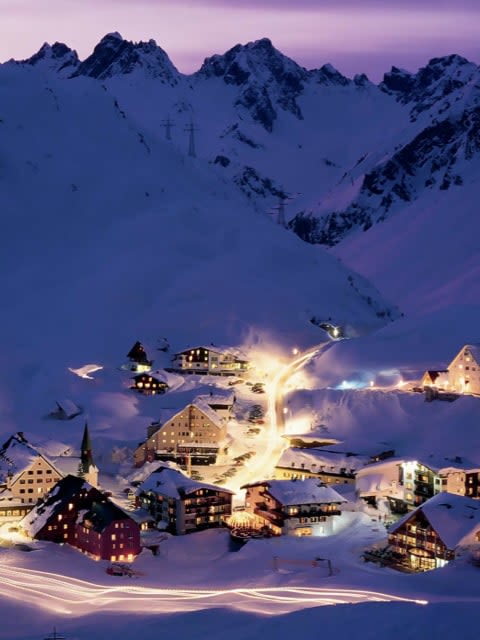
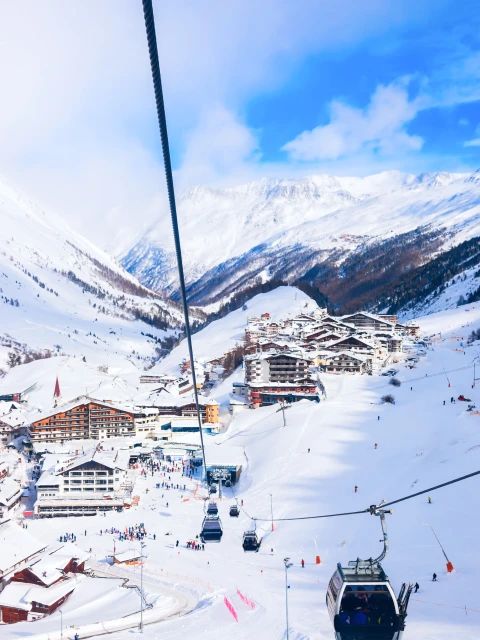
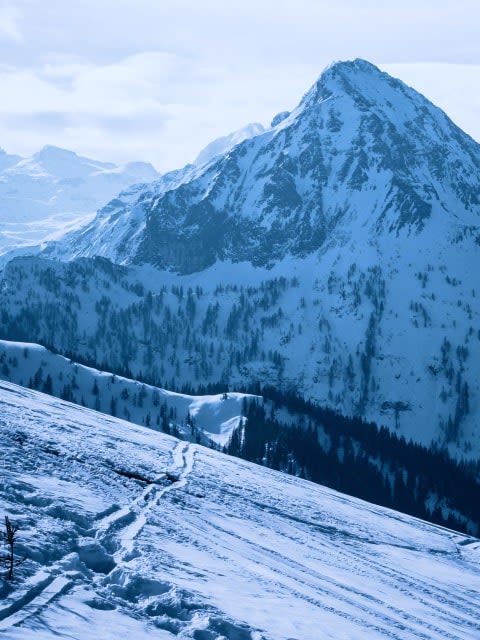
St. Anton and Obergurgl-Hochgurgl sit at opposite ends of Austria's off-piste scene, and both reward skiers who want to leave the marked runs behind. St. Anton is the more demanding of the two, with steep, guided descents that have built its reputation among expert skiers worldwide. Obergurgl-Hochgurgl offers a gentler way into freeride terrain, with high altitude that keeps snow reliable and open powder fields at mid-mountain that suit those still building confidence off-piste.
Mayrhofen is Austria's clearest choice for snowboarding. Its slopes suit riders who like to play with the terrain, with pistes that are wide and varied, including natural rollers and side-hits scattered across the mountain. PenkenPark adds a well-built terrain park for sessions, with a run of kickers, rails, and boxes for every level. The resort hosts freestyle competitions throughout the season too, and the village culture leans into snowboarding as much as skiing.
Waidring, Heiligenblut, and Kuhtai each offer a different, more traditional side of Austria. Waidring sits where Tyrol, Salzburg, and Bavaria meet, and everyday life still leans on old Tyrolean custom, with locals wearing traditional dress day to day. Heiligenblut sits directly beneath the Grossglockner, Austria's highest peak, and has been centered on a Gothic church for over 500 years, where pilgrims still travel each June. Kuhtai began as a royal hunting ground before becoming Austria's highest ski village, and its tiny population and history give it an intimate, historic character.
Very. Austria has dozens of well-connected ski areas, reliable snow from December to April, and a culture built around village life as much as the slopes themselves. There's a strong spread of resorts too, from quiet, traditional villages to some of the liveliest party towns in the Alps.
Most Austrian ski resorts are reached via Innsbruck, Salzburg, or Munich airports, with transfer times ranging from around one to three hours depending on the resort. WeSki packages include transfers, so the journey from landing to resort is taken care of.
It depends on the resort. Austria tends to offer better value than Switzerland and is broadly comparable to France. Smaller resorts like Niederau and Waidring are noticeably cheaper than St. Anton or Ischgl, especially for food and drink.
January and February typically have the best snow. March brings longer days and warmer temperatures, and higher resorts like Obergurgl-Hochgurgl and Kuhtai hold their snow well into spring.
St. Anton and Ischgl are the two standout answers, each with its own character. St. Anton's scene plays out on the mountain itself, while Ischgl's runs later and bigger, with major concerts and nightlife into the small hours.
Ski Arlberg, which links St. Anton, Lech Zürs, Stuben, and Warth-Schröcken, is Austria's biggest interconnected ski area at around 300km of piste. Saalbach-Hinterglemm's Skicircus is the next largest, connecting with Leogang and Fieberbrunn for around 270km.
Yes, particularly at St. Anton and Obergurgl-Hochgurgl. St. Anton is the more demanding of the two, with steep, guided descents that have built its reputation among expert skiers, while Obergurgl-Hochgurgl's high altitude and open powder fields offer a gentler way into similar terrain.
Commencez à créer votre séjour au ski de rêve dès aujourd'hui avec notre guichet unique pour le ski - des centaines de stations, des combinaisons illimitées.











 4.9/5
4.9/5Je réserve habituellement moi-même les vols, les transferts, l'hôtel, la location du matériel de ski et les forfaits ski, mais cette année j'ai utilisé WeSki pour un séjour à Morzine. C'était tellement plus simple. Tout a parfaitement fonctionné - les transferts sont arrivés à l'heure et il y avait beaucoup de retours d'information tout au long du processus, ce qui vous donne confiance que les vacances se dérouleront sans problème.

Un service vraiment utile qui est beaucoup plus facile à utiliser que d'autres sites "tout compris". Il comble parfaitement le fossé entre une agence de voyage et la réservation du séjour par vous-même en ligne. J'utiliserai WeSki chaque fois que j'irai au ski à partir de maintenant.
Nous avons réservé un séjour au ski de dernière minute à Morzine via WeSki. Nous avions envisagé de réserver le séjour nous-mêmes, mais nous n'avons pas pu trouver un prix aussi avantageux que celui proposé par WeSki. L'entreprise a été super et nous n'avons rencontré aucun problème du début à la fin. Je passerai certainement de nouveau par eux pour réserver un autre week-end au ski.
Une expérience fluide du début à la fin. Je passais des heures à essayer d'organiser un week-end et j'ai réussi à le faire avec WeSki en quelques minutes et pour le même prix que si je l'avais réservé moi-même. Le vol, le transfert et l'hébergement étaient tous comme prévu et nous n'avons rencontré aucun problème.

Weski Europe BV (numéro d'enregistrement 87334100 à la chambre de commerce) est un membre enregistré de SGR. Vous pouvez vérifier cela sur www.sgr.nl/english. Les vacances répertoriées sur ce site web sont couvertes par la garantie de SGR, selon les termes du programme de garantie SGR. Sous la garantie SGR, les consommateurs verront la somme de leur voyage prépayée remboursée si leur contrepartie est incapable de remplir ses obligations contractuelles en raison d'une incapacité financière. Dans la mesure où l'accord comprend le transport et que la destination a déjà été atteinte, le voyage de retour sera organisé.