EN
EN
 Great après-ski
 Snow-sure resort
 Stunning views
 Top facilities
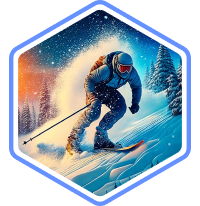 Off-piste skiingGreat après-skiSnow-sure resortStunning viewsTop facilitiesOff-piste skiingGreat après-skiSnow-sure resortStunning viewsTop facilitiesOff-piste skiingGreat après-skiSnow-sure resortStunning viewsTop facilitiesOff-piste skiing
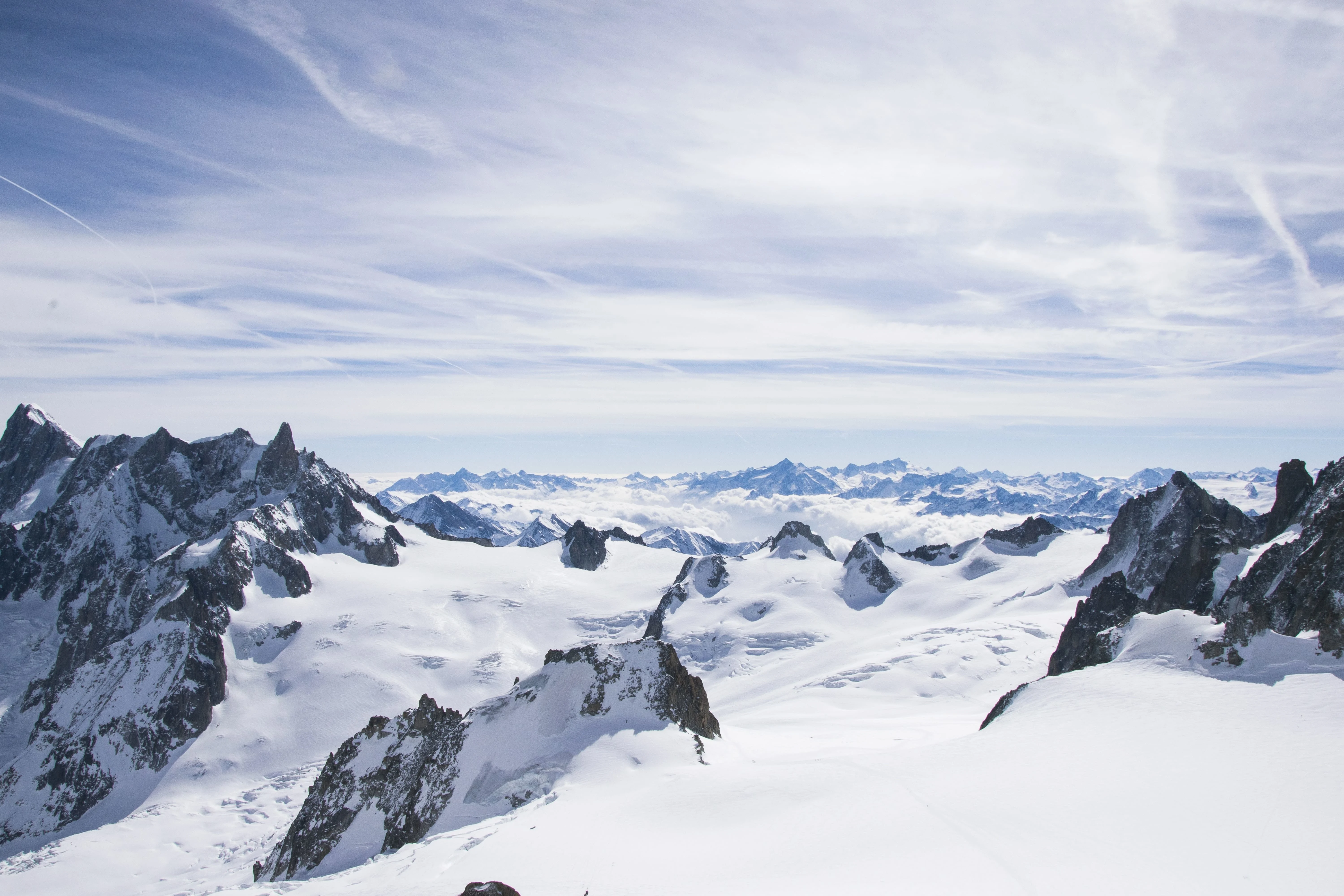
St. Anton is the real deal - a resort that shaped the history of Alpine skiing and still offers some of the most challenging and rewarding terrain in the world. Sitting in the Austrian Alps at 1,300m with skiing reaching 2,800m, this is where modern ski technique was born and where serious skiers come to test themselves. The Arlberg ski area spans 300km of pistes, plus off-piste terrain that draws experts from across the globe.
The mountain leans towards confident intermediates and experts: 37 red runs and 29 black runs carving through varied alpine scenery. Steep, sustained descents and world-famous off-piste itineraries reward skill and fitness. 85 lifts - including modern gondolas and high-speed chairs - keep things moving, and the season typically runs from early December through mid-April.
Beyond the slopes, St. Anton combines traditional Tyrolean charm with legendary après-ski. The pedestrianised centre buzzes with life, restaurants range from mountain huts to refined dining, and the bars have been fuelling skiers' tales for generations - the Mooserwirt and Krazy Kanguruh are famous worldwide. This is a resort with soul, history, and character, built for those who take their skiing (and their après) seriously.
Check out St. Anton ski deals to start planning your trip.
St. Anton is the real deal - a resort that shaped the history of Alpine skiing and still offers some of the most challenging and rewarding terrain in the world. Sitting in the Austrian Alps at 1,300m with skiing reaching 2,800m, this is where modern ski technique was born and where serious skiers come to test themselves. The Arlberg ski area spans 300km of pistes, plus off-piste terrain that draws experts from across the globe.
The mountain leans towards confident intermediates and experts: 37 red runs and 29 black runs carving through varied alpine scenery. Steep, sustained descents and world-famous off-piste itineraries reward skill and fitness. 85 lifts - including modern gondolas and high-speed chairs - keep things moving, and the season typically runs from early December through mid-April.
Beyond the slopes, St. Anton combines traditional Tyrolean charm with legendary après-ski. The pedestrianised centre buzzes with life, restaurants range from mountain huts to refined dining, and the bars have been fuelling skiers' tales for generations - the Mooserwirt and Krazy Kanguruh are famous worldwide. This is a resort with soul, history, and character, built for those who take their skiing (and their après) seriously.
Check out St. Anton ski deals to start planning your trip.
Skiing St. Anton feels like proper mountain exploration - but expect challenging terrain that rewards technique and fitness rather than gentle cruising.
You'll spend your days tracking fresh lines through wide-open bowls, linking long descents that seem to go on forever, and discovering hidden stashes that reward the curious. The terrain has real character - steep when you want it, sweeping when you need a breather - and the altitude keeps conditions reliable well into spring.
Honesty time: St. Anton isn't ideal for beginners. The terrain is predominantly intermediate to expert, the runs back to the village are challenging, and the resort's character suits those with existing skills.
That said, if you're determined to learn here, there are options. The Nasserein area at the edge of the village has gentle nursery slopes where you can build confidence without steeper terrain looming nearby. The Gampen zone offers sheltered blues for progressing further.
Once you're linking turns, the wide, cruisy blues above Galzig open up. Just be mindful that even the easier runs here are more demanding than at purpose-built beginner resorts. If your group has mixed abilities, consider the linked resort of Lech - better beginner facilities and a more forgiving mountain.
Strong intermediates thrive here - and leave as better skiers. The reds are genuine, the blues can be steep by other resorts' standards, and the mountain demands you ski properly. It's immensely satisfying.
Long, flowing descents from Galzig and Valluga test your stamina as much as your technique. The link to Lech and Zürs opens up even more terrain, the Kapall sector offers brilliant carving when conditions are good, and the long descent from Schindlergrat to the valley is one of the most satisfying runs in the Alps.
St. Anton's reputation was built on terrain like this. The 50 red and 18 black runs build moguls that demand technique, but these are just the start - the real draw is the extensive off-piste. The descent from Valluga summit requires a guide and delivers one of skiing's great experiences: steep, exposed, and committing. The Schindler Kar and Schindler Spitze couloirs are internationally renowned.
Local guides know this terrain intimately - hiring one unlocks routes you'd never find alone and keeps you safe in avalanche country. The powder skiing after fresh snow is legendary. If you're an expert seeking a challenge, St. Anton answers emphatically.
Experienced boarders will be in their element. The off-piste terrain and natural features are tailor-made for freeriding, and steep descents reward good technique. Less experienced riders may find the challenging terrain and traverse-heavy connections frustrating.
Park facilities are modest compared to freestyle-focused resorts, but the natural terrain compensates. The lift system is almost entirely gondolas and chairs, so minimal drag-lift frustration. Just watch out for flat cat-track sections when linking between areas, particularly towards Lech.
St. Anton's off-piste is legendary - arguably the best lift-served freeride terrain in the Alps. Routes range from gentle powder fields to committing couloirs. Key areas include Valluga's north face, Schindler Kar, the runs towards Stuben, and countless variations that local guides know intimately.
Always ski off-piste with a guide and proper avalanche equipment - transceiver, probe, shovel. The terrain looks skiable but hides serious hazards. A guide unlocks the best skiing and keeps you safe. It's not optional here.
The Arlberg Ski School is the original and still one of the most respected in the Alps - the tradition of quality instruction runs deep here. Schools offer everything from beginner lessons to expert off-piste guiding, with group and private options. English-speaking instruction is standard.
A terrain park operates above Rendl with features for different abilities. St. Anton isn't primarily a freestyle destination - the natural terrain is the draw - but the park provides options for those wanting them. Well-maintained without being the resort's focus.

St. Anton isn't the obvious family choice - but for the right family, it's exceptional. Families with confident intermediate children or skiing teenagers will find it genuinely exciting. Families with young beginners might find gentler resorts less stressful.
That said, teenagers love it here. The terrain is the real deal - steep enough to impress, varied enough to explore - and the village has an energy that older kids appreciate. They can push themselves on the mountain during the day and soak up the buzz in the evening without things feeling off-limits.
Childcare facilities operate in the resort, and children's ski school takes kids from age four. For families with mixed abilities, the Arlberg connection to Lech provides more forgiving terrain for day trips - an easy solution if some of the group need gentler slopes.
Dining works well for families too. Traditional Austrian restaurants serve hearty, unfussy food - schnitzels, käsespätzle, apple strudel - that appeals across generations. Mountain lunches on sunny terraces are a highlight, and village restaurants range from casual spots to more refined options for evenings when you want something special.
Beyond skiing, the village itself is compact and easy to navigate. Activities like tobogganing, swimming, and winter walking trails add variety on rest days, and the charming Tyrolean atmosphere gives families something to explore together off the slopes.
St. Anton is famous not only for its skiing, but for its vibrant atmosphere, deep alpine traditions, and dramatic mountain scenery. Beyond the pistes, the resort offers a wealth of winter experiences - from high-adrenaline adventures to peaceful ways of exploring the Arlberg landscape - all wrapped up in authentic Tyrolean character.
The rugged Arlberg mountains provide a spectacular backdrop for winter activities beyond skiing. Whether you're seeking adventure, scenery, or a change of pace, St. Anton delivers some of the Alps' most memorable snow-based experiences.
St. Anton caters well to rest days and non-skiers, combining modern wellness facilities with traditional Tyrolean culture. Whether you're looking to relax tired legs, explore alpine heritage, or enjoy gentle village life, there's plenty to do beyond the slopes.
Dining out in St. Anton blends traditional Austrian mountain cuisine with impressive international quality. Expect atmospheric Tyrolean stuben, refined dining backed by serious wine cellars, and hearty mountain huts serving satisfying food at altitude. The food culture here is genuinely strong - quality is consistent across all price points, from casual lunches to destination dining.
St. Anton's après-ski isn't a marketing slogan - it's a rite of passage. The party famously begins on the mountain at Mooserwirt and Krazy Kanguruh, spills down into the village as the lifts close, and continues late into the night. Expect table dancing, live music, pumping DJs, and an atmosphere that's been perfected over decades.
This is not subtle, quiet, or restrained. If you're after calm evenings and early nights, St. Anton may not be for you. But if you want après-ski that truly lives up to every story you've ever heard, few places on earth do it better.

St. Anton offers traditional Tyrolean hotels, apartments, and chalets - Austrian hospitality standards mean quality is generally high. The resort sprawls along the valley floor, so where you stay shapes your experience.
The main village centre clusters around the pedestrianised zone and the Galzigbahn gondola. This is the heart of the action: restaurants, bars, and shops within strolling distance. Staying here puts you in the thick of things, but expect lively evenings - especially during peak season.
Nasserein, about a 10-minute walk east, offers a quieter base with its own gondola access - popular with families who want proximity without the noise. St. Jakob to the west is smaller and more peaceful still, though you'll rely on the free ski bus or a short walk to reach the main lifts. Hotels concentrate in the centre; chalets are scattered across all zones.
WeSki insider tips:
The Ski Arlberg pass covers the entire interconnected region - St. Anton, Lech, Zürs, Stuben, St. Christoph, and Warth-Schröcken. That's 300 km of pistes and 85 lifts on a single pass. For most visitors, this is the one to get, giving you freedom to explore without restrictions.
If you're only planning to ski the St. Anton sector, a more limited pass exists, but honestly, the Ski Arlberg pass offers much better value given the terrain you're unlocking. Passes can be loaded onto a keycard that works across all lift gates.
You can add your ski pass when booking your St. Anton ski holiday through WeSki - it'll be ready and waiting for you.
St. Anton has multiple rental shops throughout the village offering everything from beginner packages to high-performance skis and touring setups. The main cluster of shops sits along the pedestrian zone near the Galzigbahn, making pickup and dropoff convenient. Several shops also have locations at Nasserein for those staying on that side.
Given the quality of terrain here, it's worth considering a higher-spec rental if you're a confident skier - the difference on St. Anton's varied snow conditions is noticeable. Boot fitting is particularly important for a comfortable week, so don't rush the process.
St. Anton is walkable if you're staying centrally - the pedestrian zone connects the main lift stations, and you can get from one end to the other in about 15 minutes on foot. If you're based in Nasserein or St. Jakob, the free ski bus runs regular services throughout the day and into the evening, linking all areas of the village and the different lift bases.
For getting back from dinner or après, the buses run until late, though taxis are also available if you've missed the last service or prefer a direct ride. The Ski Arlberg pass includes the regional ski buses to Lech, Zürs, and other villages if you fancy exploring beyond St. Anton's borders.
St. Anton sits on the main Arlberg rail line, making it one of the most accessible major ski resorts in the Alps. Innsbruck Airport is the nearest option at around 100 km, while Zurich (about 200 km) and Munich (approximately 260 km) offer more flight options from the UK. Friedrichshafen is another option at roughly 130 km, particularly for those flying from regional UK airports.
The train station sits right in the village centre, and direct trains run from Innsbruck and Zurich - it's genuinely one of the easiest resorts to reach by rail. For those driving, the Arlberg tunnel provides year-round access from the west.
WeSki offers car rentals from the airport as well as private, shared, and scheduled transfers to St. Anton. Add them to your package for seamless door-to-door travel. Explore St. Anton ski deals to start building your trip.
Absolutely. While St. Anton has a reputation for challenging terrain, the blue and red runs provide excellent skiing for confident intermediates. The long cruising runs from Galzig and Kapall are particularly rewarding, and the link to Lech opens up even more mileage. You'll want to be comfortable on red runs, but there's plenty of terrain to progress on without venturing onto the steeper blacks.
Very reliable. The resort's north-facing slopes and altitude range (1,300 m to 2,800 m) help preserve snow well throughout the season. St. Anton typically sees good natural snowfall, and the higher slopes hold conditions even during warmer spells. The season runs from early December through late April, with the most consistent conditions usually found from mid-January onwards.
St. Anton sits at the higher end of the price spectrum - you're paying for the quality of terrain, the extensive lift system, and the resort's reputation. That said, Austria generally offers better value than equivalent French resorts, and the Ski Arlberg pass covers a huge area. Self-catering accommodation and eating on the mountain can help manage costs. The après-ski tab is another matter entirely.
The main bottleneck is the Galzigbahn gondola in the mornings - it's the primary lift from the village, so expect queues during peak weeks. The Nassereinbahn on the other side of the village is usually quieter. Once you're on the mountain, the modern lift system disperses crowds well. Using the Rendl area or heading early to Valluga can help you avoid the busiest times.
They can, but it's not the ideal choice for complete beginners. The nursery slopes at Nasserein and Gampen provide space to learn, and the ski schools are excellent. However, the progression terrain is limited compared to purpose-built beginner resorts, and even the easier runs can be more demanding. If your group has mixed abilities, beginners will manage - but if everyone's starting from scratch, consider a more beginner-focused resort.
It depends on your priorities. The central village puts you near the Galzigbahn, the pedestrian zone, and the famous après-ski bars - ideal if you want to be in the heart of the action. Nasserein suits families and those wanting a quieter base with its own gondola. St. Jakob is the most peaceful option but requires the ski bus to reach the main lifts. All areas have good accommodation options; it's really about how much nightlife noise you're willing to trade for convenience.
Yes - St. Anton is the largest village in the Ski Arlberg region, which also includes Lech, Zürs, Stuben, St. Christoph, and Warth-Schröcken. The entire area is lift-linked, giving you 300 km of pistes and 85 lifts on a single pass. You can ski from St. Anton to Lech and back in a day, or use the ski buses to explore the different villages. It's one of the largest interconnected ski areas in the world.
It's not ideal. The terrain is predominantly intermediate to expert, the runs to the village are challenging, and the resort suits those with existing skills. Beginners can learn here, but gentler resorts offer easier progression. Consider Lech for mixed-ability groups.
St. Anton is the birthplace of Alpine skiing technique - where Hannes Schneider developed modern ski instruction in the 1920s. It's famous for challenging terrain, legendary off-piste, and world-renowned après-ski. The combination of serious skiing and serious partying defines its reputation.
St. Anton is Austria's most challenging major resort - tougher terrain than Ischgl, more serious than Sölden, and with legendary status that attracts committed skiers. The après-ski rivals anywhere. It's premium pricing but delivers premium experience.
As legendary as promised. The Mooserwirt and Krazy Kanguruh start the party on the mountain - tables dancing, music pumping, ski boots stomping. It continues to the village and runs late. If you want wild après-ski, St. Anton is the benchmark. If you want quiet evenings, choose elsewhere.
Yes - the Flexenbahn lift connection links St. Anton to Lech, Zürs, and Warth-Schröcken, creating the 300km Ski Arlberg area on one pass. You can ski to Lech for lunch and return. The connection has transformed the Arlberg into one of the world's great ski circuits.
Strongly recommended - essential for serious routes. St. Anton's off-piste includes serious avalanche terrain and navigation challenges. A guide unlocks the best skiing safely. Proper equipment (transceiver, probe, shovel) is mandatory. The terrain deserves respect - people die here when they don't take it seriously.
Mayrhofen - Niederau - Saalbach - Sölden - Kitzbühel - Kaprun - Kaltenbach - Ischgl - Serfaus - Tux - Wagrain - Zell am Ziller - St Johann im Pongau - Lech Zürs - See - Grossarl - Maria Alm - Gerlos - Flachau - Galtür - Ellmau - Scheffau - Söll - Going am Wilden Kaiser - Bad Gastein - Bad Hofgastein - Filzmoos - Obergurgl-Hochgurgl - Zell am See - St Johann in Tirol - Westendorf - Seefeld - Obertauern - Kappl - Alpbach
 4.9/5
4.9/5I usually book flights, transfers, hotel, ski rental and lift passes myself but this year used WeSki for a trip to Morzine. It was so much easier. Everything worked perfectly - transfers arrived on time and there was plenty of feedback throughout the whole process giving you confidence the holiday would go smoothly.

A really useful service that is so much easier to use than other 'all-inclusive' sites. It nicely bridges the gap between a travel agent and booking the trip yourself online. I will use WeSki every time I go skiing from now on.
We booked a late minute skiing trip to Morzine through we ski. We looked at booking the trip ourselves but could get anywhere near the price quoted by we ski. The company was excellent and we had no problems at all from start to finish. I would definitely use them to book another weekend skiing trip.
Seamless experience from start to finish. I was spending ages trying to sort out a weekend break and managed to do it with we ski in minutes and for the same price as booking it all up yourself. Flight, transfer and accommodation was all as expected and faultless.

WeSki is a trading name operated by WeTrip Ltd. All the flights and flight-inclusive holidays on this website are financially protected by the ATOL scheme. When you pay you will be supplied with an ATOL Certificate. Please ask for it and check to ensure that everything you booked (flights, hotels and other services) is listed on it. Please see our booking conditions for further information or for more information about financial protection and the ATOL Certificate go to: www.caa.co.uk.
Package holidays that do not include travel by air are financially protected via ABTOT.