
EN
EN
 Great après-ski
 Top facilities
 Stunning views
 Off-slope activitiesGreat après-skiTop facilitiesStunning viewsOff-slope activitiesGreat après-skiTop facilitiesStunning viewsOff-slope activitiesGreat après-skiTop facilitiesStunning viewsOff-slope activities
Nestled beneath Bulgaria's Pirin Mountains, Bansko is one of Europe's best budget-friendly ski destinations. Bordering Pirin National Park (a UNESCO World Heritage site), Bansko combines stunning views and genuine Bulgarian character with modern ski infrastructure - giving visitors an experience that feels refreshingly different from mainstream spots.
Bansko itself starts at 990m with the historic town, climbing to 2,560m at its summit. With 75km of pistes and 14 lifts, this ski resort offers impressive terrain and a great atmosphere, welcoming skiers and snowboarders of all levels. Beyond quality conditions and slopes - what sets Bansko apart as a ski destination is its attractive, authentic atmosphere.
At Bansko, the old town's cobbled streets, traditional mehanas (taverns), and centuries-old churches create a genuinely unique travel experience for visitors. On top of this, prices for food, drink, and equipment are significantly lower than its Western European equivalents, making this the perfect option for those wanting to enjoy skiing without spending a fortune.
WeSki brings all of these features together, with Bansko ski deals that make the most of this charming destination's value.
Nestled beneath Bulgaria's Pirin Mountains, Bansko is one of Europe's best budget-friendly ski destinations. Bordering Pirin National Park (a UNESCO World Heritage site), Bansko combines stunning views and genuine Bulgarian character with modern ski infrastructure - giving visitors an experience that feels refreshingly different from mainstream spots.
Bansko itself starts at 990m with the historic town, climbing to 2,560m at its summit. With 75km of pistes and 14 lifts, this ski resort offers impressive terrain and a great atmosphere, welcoming skiers and snowboarders of all levels. Beyond quality conditions and slopes - what sets Bansko apart as a ski destination is its attractive, authentic atmosphere.
At Bansko, the old town's cobbled streets, traditional mehanas (taverns), and centuries-old churches create a genuinely unique travel experience for visitors. On top of this, prices for food, drink, and equipment are significantly lower than its Western European equivalents, making this the perfect option for those wanting to enjoy skiing without spending a fortune.
WeSki brings all of these features together, with Bansko ski deals that make the most of this charming destination's value.
All-in-all, Bansko suits beginners and intermediates particularly well, while offering enough challenge to keep advanced skiers engaged throughout their trip. The season typically runs from early December through mid-April, with snowmaking to ensure coverage on key runs. You'll find well-groomed pistes that let you build speed and confidence, satisfyingly long runs, and a modern lift system that keeps you moving efficiently - all while surrounded by gorgeous mountain scenery.
Bansko is a welcoming environment for first-timers, with gentle, wide terrain where you can find your feet without feeling rushed. The nursery slopes here are well-groomed, and the high altitude means you can usually rely on good snow coverage and proper conditions rather than icy patches or slush (the best way to learn!).
The ski school at Bansko also offers English-speaking instruction at affordable prices - with a full day of tuition sometimes costing the same price as a single session in the Alps. Once you master the basics, you can move toward progression runs that lead back towards the town, building confidence on gradually steeper terrain.
For intermediates, Bansko hits a true sweet spot. The resort's six intermediate-level runs offer varied terrain - from wide cruisers to more technical, challenging ones - with reds suitable for building skill. Near the summit, for example, Bansko's Todorka run provides excellent skiing with stunning views across the Pirin range - while lower down, you can enjoy interesting routes through the trees.
Bansko's lift system is efficient, letting you rack up serious experience during your stay - and the relative lack of crowds means less frustration, and fewer frustrating stops and starts. The vertical drop is a rewarding one for intermediates - 1,570m from top to bottom - it's a genuine leg-workout that leaves you satisfied at the end of the day.
Bansko isn't primarily an expert destination, but there's definitely enough to keep advanced skiers engaged for a week. The resort has 11 advanced runs and two expert-graded black pistes with some genuinely steep terrain. You'll particularly enjoy the Tomba run, which hosts regular FIS competitions, which speaks to its technical credentials.
For those willing to hire a guide, the Pirin Mountains offer some excellent off-piste opportunities. With untouched powder accessible on good snow days, the relatively undeveloped nature of Bansko's backcountry means fewer tracked-out lines, and local guides who know the terrain well can help you access routes that rarely see other skiers.
The snowboard community at Bansko is small, but it's an enthusiastic one. The resort's wide, well-groomed pistes are great for snowboarding, with fewer flat sections than other resorts in the area. Boarders will appreciate Bansko's terrain park, too - which features rails, boxes, and jumps for different levels.
The Pirin Mountains offer genuine backcountry potential for those equipped and experienced enough to explore. North-facing slopes above the resort hold powder well after storms, and the relatively low traffic means lines stay untracked longer than in busier destinations. Local guides can access couloirs and bowls - and although they require hiking, you'll be rewarded with untouched snow. Keep in mind, this is proper mountain terrain - a guide, proper equipment and appropriate knowledge are essential.
Several ski schools operate in Bansko, with English-speaking instructors and well-organised children's programs readily available. The combination of good quality instruction and budget-friendly prices makes this an excellent place to learn and improve - since you can typically afford more hours of tuition than you'd get elsewhere.
Through WeSki, you can add ski or snowboard lessons to your package and have everything arranged before you arrive. Check out Bansko ski deals to get started.
Bansko's single terrain park operates on the mountain, with features for beginner through advanced riders. The park is small, but well-maintained - with rails, boxes, and jumps that are fun and provide opportunities to grow your skills.
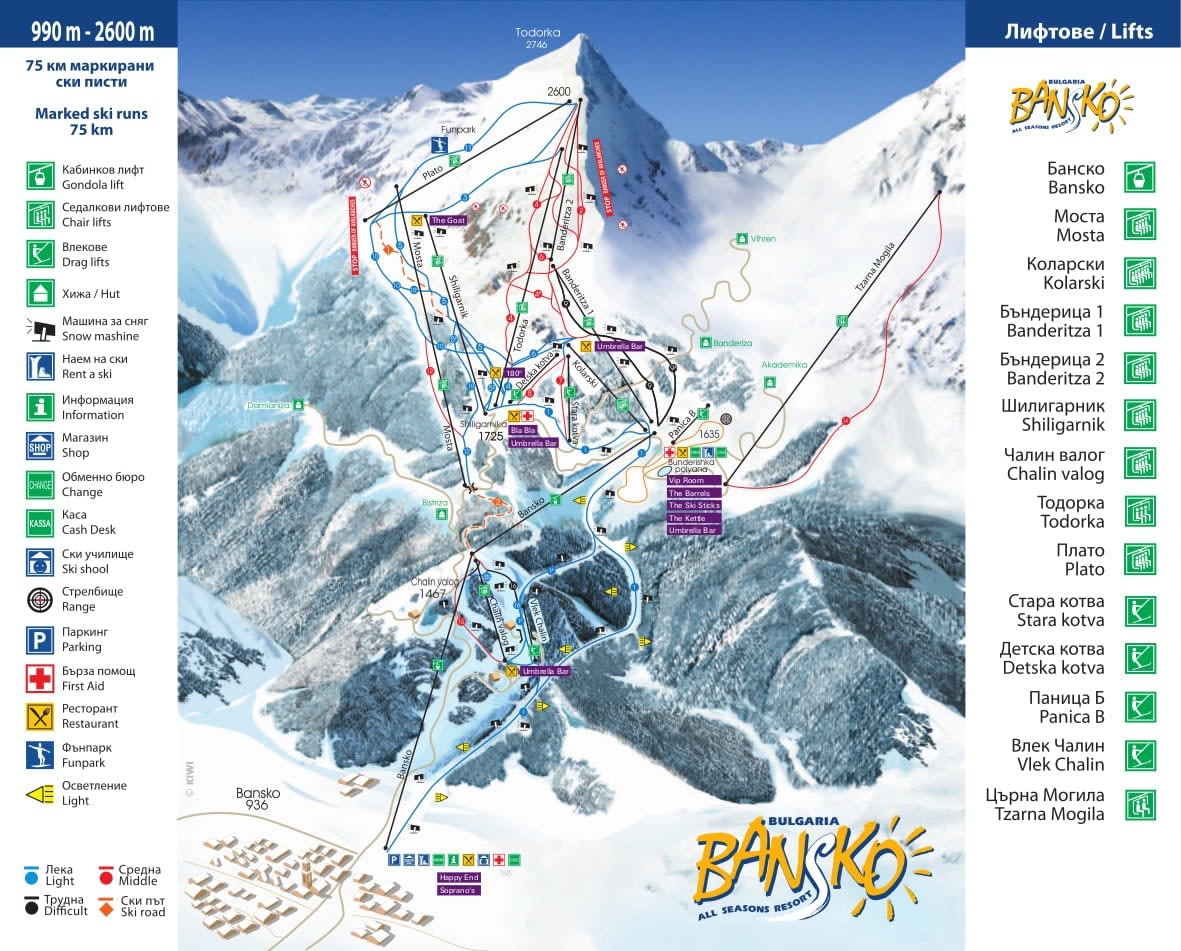
Bansko works well for families thanks to its practical layout and gentle terrain. The gondola from town to the ski area means no awkward walks in ski boots with children, and the mellow upper slopes provide ideal learning ground. Ski school here is excellent value, making it easy to book proper instruction for the whole family.
The town itself is manageable and safe, with picturesque streets winding through the old quarter to explore together. Restaurants warmly welcome families, and the relaxed dining culture makes eating out with children easy. Several hotels in the resort area cater specifically to families, offering suitable facilities and childcare options.
WeSki insider tip: The gondola gets busy on peak season mornings, so families may prefer to either arrive early or start the ski day slightly later to avoid the rush.
From evening entertainment to rest-day activities, Bansko's old town provides a charming glimpse into Bulgarian culture, with fun for all ages and interests. Think: quaint cobbled streets, traditional taverns, engaging snow activities, and a unique local experience.
Beyond the pistes, the Pirin Mountains offer additional winter experiences that can engage everyone in your travel group, including:
The old town of Bansko provides some interesting alternatives to snow-related fun, with centuries of Bulgarian history and its unique culture at your fingertips, such as:
Dining in Bansko centres on traditional mehanas - Bulgarian taverns serving hearty local cuisine. The old town itself has some of the best options, with a concentration of inviting venues nestled cosily in historic buildings.
WeSki insider tip: Bulgarian cuisine is hearty and flavourful - we recommend you try the shopska salata (tomato, cucumber, and white cheese), kavarma (slow-cooked meat stew), and kebapche (grilled meat rolls) at least once.
Après-ski in Bansko has developed significantly in recent years, with a lively scene that caters to visitors from across the world. Outings typically start at the base of the gondola before moving into the town centre, where bars fill up along the main street throughout the night.
The scene is friendly and unpretentious - nobody checks what you're wearing or how much you spend. In the evening, several bars host live DJ sets and dancing, keeping the Après scene alive until late. The old town mehanas provide a more traditional alternative, with rakia (Bulgarian brandy) and folk music creating a genuinely local atmosphere.
Here are some of our top recommendations:
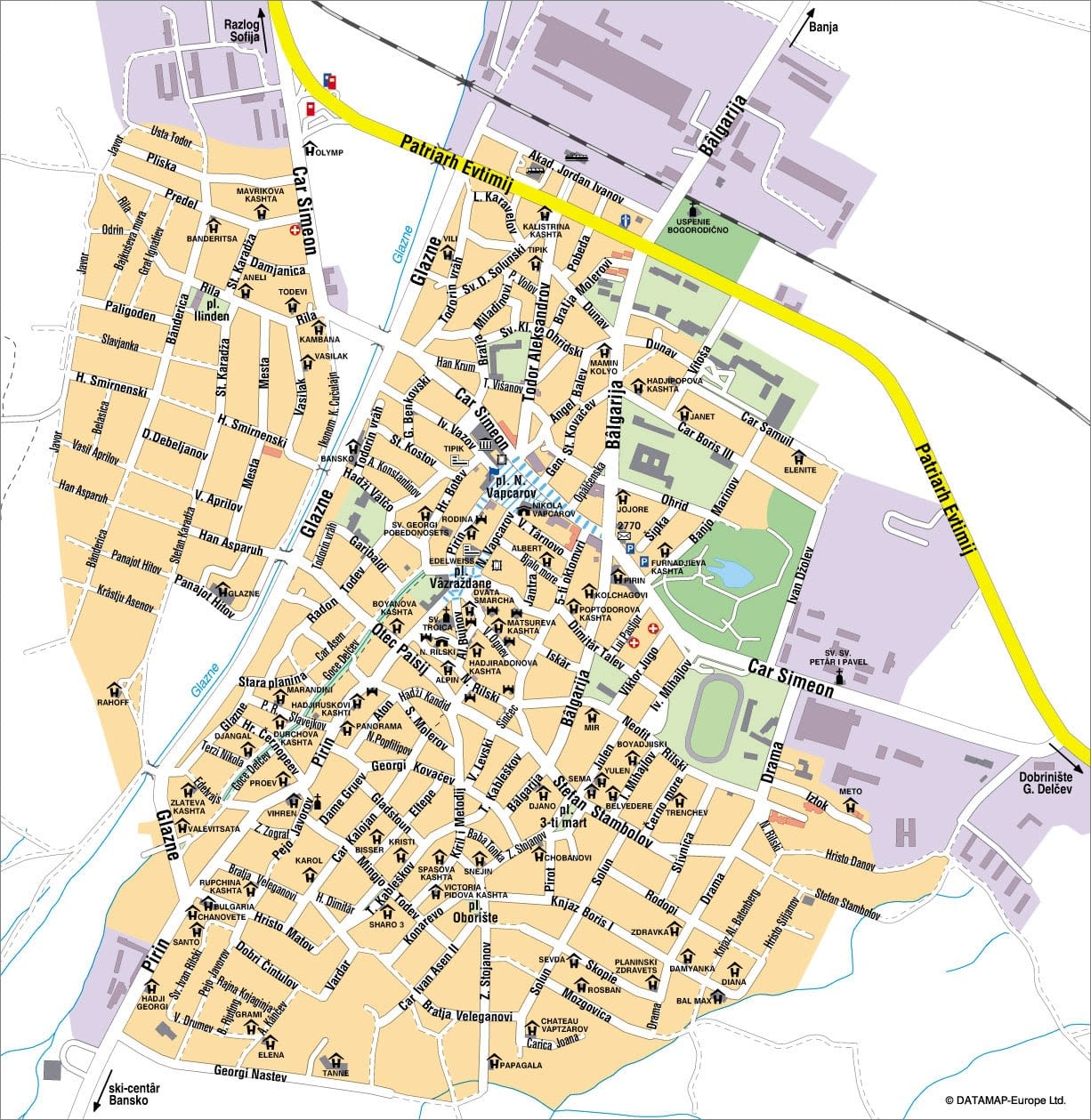
Accommodations in Bansko are divided between the ski area base (where the gondola departs) and the old town about a kilometre away. Base-area hotels offer convenience - you can ski to the gondola in the morning - while old-town properties put you closer to restaurants and nightlife. A free shuttle bus connects the two areas.
Options for your stay in Bansko include several newer hotels offering facilities that include spas, pools, and restaurants. Apartment rentals are plentiful, and provide excellent value for groups or families. The old town also has properties set within historic buildings, for those wanting a more authentic atmosphere than modern hotels.
WeSki insider tips:
Find the perfect accommodation for your group with WeSki's Bansko ski packages.
Bansko's electronic pass system works efficiently with minimal queuing at lift gates. The ski pass covers all 14 lifts across the ski area, including the gondola from town. This is a straightforward single-area pass - unlike complex multi-resort options, you're buying access to one mountain system.
WeSki can help you find the right pass for your group, with a variety of ski pass options available when building your Bansko ski package.
Equipment rental in Bansko is remarkably affordable, with several shops competing for business in town and at the gondola base. Standard packages include skis, boots, and poles (or snowboard and boots), and helmets are typically added separately. The quality has improved significantly as the resort has developed - with newer equipment at modest premiums and recognisable brands available alongside local options.
WeSki insider tip: Booking in advance typically offers small savings and ensures availability during busy periods.
Bansko's town centre and old quarter are compact and walkable, with most restaurants, bars, and shops within easy reach of each other. The distance between the old town and the gondola base (about a kilometre) is manageable on foot - but a free shuttle bus runs regularly for those who prefer it. Taxis are plentiful and inexpensive for late-night returns, too.
The resort's gondola provides the main connection from town to the ski area - this creates some crowding during peak morning hours, but the eight-seater cabins move efficiently once you're on board. The ride takes about 25 minutes and offers enjoyable views of the Pirin Mountains.
WeSki insider tip: The morning gondola queue can be significant - arrive by 8:30am during peak weeks or wait until 10am when it calms down.
Travel to Bansko typically involves flying to Sofia (approximately 160km) or Plovdiv (approximately 150km). Sofia offers more flight options from UK airports, while Plovdiv may be more convenient depending on your departure point. The drive from either airport takes around two hours through Bulgarian countryside that becomes increasingly mountainous as you approach the resort.
The roads in this area are generally well-maintained, though winter conditions require appropriate tyres and some caution, particularly on the final mountain approach. Several transfer services operate from both airports, offering alternatives to self-driving for those who prefer not to navigate unfamiliar roads. Plus, the journey is an interesting introduction to Bulgaria beyond the ski resort.
WeSki offers car rentals from the airport as well as private and shared transfers to Bansko, which can be added to your package for seamless door-to-door travel.
Explore Bansko ski deals to start building your trip.
Yes, Bansko offers excellent conditions for beginners. The Banderishka meadow at the top of the gondola provides gentle, wide terrain for first attempts, and the affordable ski school means you can take more lessons for the same budget as in the Alps. The slopes are generally considered quiet, giving learners more space. The longest run at 4.8km provides a satisfying progression target once basics are mastered.
Bansko offers significantly better value than Alpine resorts - ski passes, lessons, food, and drink are all notably cheaper. The trade-off is less extensive terrain (70km versus hundreds at major Alpine areas) and a longer transfer from the nearest airports. Snow reliability is good but not quite the same as at Alpine levels. Bansko's old town provides genuine character that many purpose-built resorts lack.
Snow reliability is generally good thanks to the altitude (2,560m summit) and substantial snowmaking coverage on key runs. The season typically runs from early December through mid-April, with the most reliable conditions from January to March. Natural snowfall is less consistent than in the Alps, but the snowmaking ensures coverage on main pistes. The resort's north-facing slopes hold snow better in warmer weather.
Bansko has developed a lively and unpretentious après-ski scene, particularly popular with British visitors. Bars around the main street and gondola base area offer good-value drinks and a true party atmosphere, with some venues going until late. For something more traditional, old-town mehanas serve rakia and sometimes feature live folk music.
The transfer from Sofia to Bansko takes approximately 2 hours depending on conditions. The route passes through Bulgarian countryside before climbing into the Pirin Mountains. Roads are generally well-maintained but winter conditions require appropriate tyres. Various transfer services operate the route, or car hire is available for those who prefer to drive. Plovdiv airport is a similar distance with less traffic.
Bansko works well for families, particularly those seeking value. The gondola eliminates difficult walks with children, the gentle upper slopes provide good learning terrain, and ski school is available to give every child proper instruction. The town is safe and manageable, restaurants welcome families, and the lower prices mean the whole holiday costs less.
Bulgarian cuisine is hearty and flavourful. Try shopska salata (tomato, cucumber, and white cheese), kavarma (slow-cooked meat stew), and kebapche (grilled meat rolls). The traditional mehanas serve generous portions at very reasonable prices. Rakia (fruit brandy) is the national spirit - often homemade and surprisingly smooth. The combination of good food, cheap prices, and atmospheric old-town restaurants is one of Bansko's genuine pleasures.

 4.9/5
4.9/5I usually book flights, transfers, hotel, ski rental and lift passes myself but this year used WeSki for a trip to Morzine. It was so much easier. Everything worked perfectly - transfers arrived on time and there was plenty of feedback throughout the whole process giving you confidence the holiday would go smoothly.

A really useful service that is so much easier to use than other 'all-inclusive' sites. It nicely bridges the gap between a travel agent and booking the trip yourself online. I will use WeSki every time I go skiing from now on.
We booked a late minute skiing trip to Morzine through we ski. We looked at booking the trip ourselves but could get anywhere near the price quoted by we ski. The company was excellent and we had no problems at all from start to finish. I would definitely use them to book another weekend skiing trip.
Seamless experience from start to finish. I was spending ages trying to sort out a weekend break and managed to do it with we ski in minutes and for the same price as booking it all up yourself. Flight, transfer and accommodation was all as expected and faultless.

WeSki is a trading name operated by WeTrip Ltd. All the flights and flight-inclusive holidays on this website are financially protected by the ATOL scheme. When you pay you will be supplied with an ATOL Certificate. Please ask for it and check to ensure that everything you booked (flights, hotels and other services) is listed on it. Please see our booking conditions for further information or for more information about financial protection and the ATOL Certificate go to: www.caa.co.uk.
Package holidays that do not include travel by air are financially protected via ABTOT.
For the latest travel advice from the Foreign & Commonwealth Office visit www.gov.uk/foreign-travel-advice.