
EN
EN
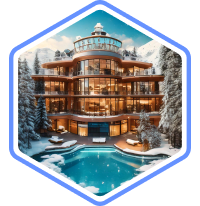 Luxury resorts
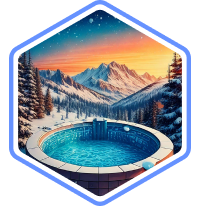 Off-slope activities
 Top facilitiesLuxury resortsOff-slope activitiesTop facilitiesLuxury resortsOff-slope activitiesTop facilitiesLuxury resortsOff-slope activitiesTop facilities
Rising from the Laurentian Mountains a couple of hours north of Montreal in Canada, Mont Tremblant is the best-known ski resort in eastern North America, and you feel it the moment you arrive. A colourful, cobblestoned pedestrian village wraps around the base of the mountain, with lakeside views, French-Canadian restaurants, and boutiques lining the walkways. Skiers have been coming here since 1939, making it one of the oldest ski destinations on the continent, and the Algonquin name, meaning "trembling mountain," hints at the reverence this landscape commanded long before the first lifts were built. It's a place with real character, part European charm and part North American ease, and that blend is what keeps people coming back.
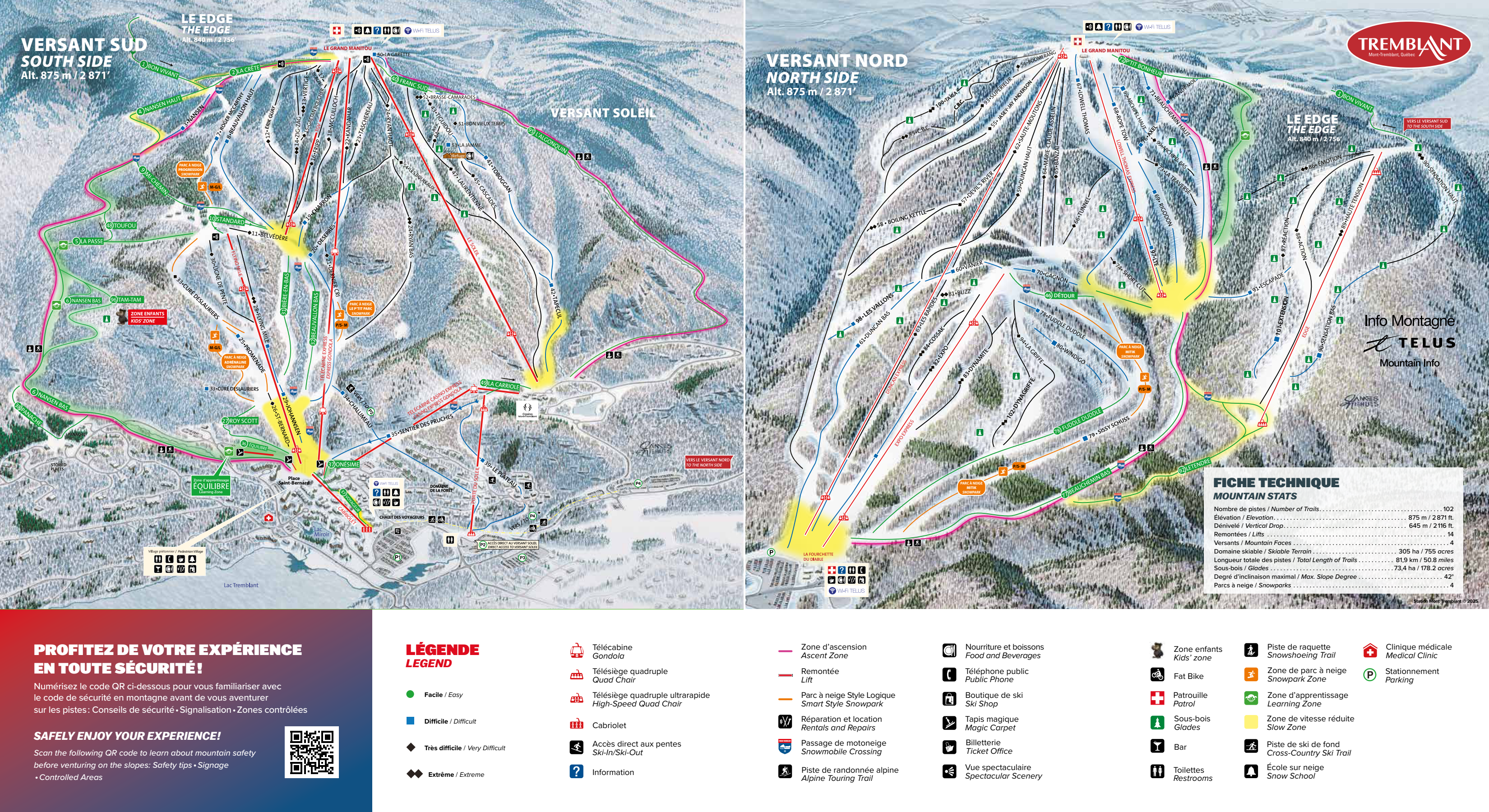
The skiing covers 102 runs spread across four distinct mountain faces, the South Side, North Side, Sunny Side, and The Edge, with a vertical drop of 645m from a summit of 875m. The terrain is nicely balanced, with gentle greens at the base for beginners and long, cruising blues winding down through the forest. Higher up, the mountain shows its teeth, with properly steep black-diamond runs and some of the most challenging mogul pitches in eastern Canada. Around 4m of snow falls in an average year, backed by one of the most powerful snowmaking systems in North America, so conditions hold up well from late November through to mid-April.
Mont Tremblant is a four-season destination, and in winter the village alone is worth the trip. More than 30 restaurants serve everything from Québécois comfort food and wood-fired pizza to French fine dining, and the après-ski centres on a handful of well-loved bars. There's plenty to do off the slopes too, from snow tubing, ice skating, and dog sledding to relaxing in Nordic baths, with a casino over on the Sunny Side for a complete change of pace. Whether you're lingering over a raclette dinner or watching the village light up after dark from a terrace, Tremblant has a way of making winter feel celebratory.
Check out Mont Tremblant ski deals to start planning your trip.
Rising from the Laurentian Mountains a couple of hours north of Montreal in Canada, Mont Tremblant is the best-known ski resort in eastern North America, and you feel it the moment you arrive. A colourful, cobblestoned pedestrian village wraps around the base of the mountain, with lakeside views, French-Canadian restaurants, and boutiques lining the walkways. Skiers have been coming here since 1939, making it one of the oldest ski destinations on the continent, and the Algonquin name, meaning "trembling mountain," hints at the reverence this landscape commanded long before the first lifts were built. It's a place with real character, part European charm and part North American ease, and that blend is what keeps people coming back.
The skiing covers 102 runs spread across four distinct mountain faces, the South Side, North Side, Sunny Side, and The Edge, with a vertical drop of 645m from a summit of 875m. The terrain is nicely balanced, with gentle greens at the base for beginners and long, cruising blues winding down through the forest. Higher up, the mountain shows its teeth, with properly steep black-diamond runs and some of the most challenging mogul pitches in eastern Canada. Around 4m of snow falls in an average year, backed by one of the most powerful snowmaking systems in North America, so conditions hold up well from late November through to mid-April.
Mont Tremblant is a four-season destination, and in winter the village alone is worth the trip. More than 30 restaurants serve everything from Québécois comfort food and wood-fired pizza to French fine dining, and the après-ski centres on a handful of well-loved bars. There's plenty to do off the slopes too, from snow tubing, ice skating, and dog sledding to relaxing in Nordic baths, with a casino over on the Sunny Side for a complete change of pace. Whether you're lingering over a raclette dinner or watching the village light up after dark from a terrace, Tremblant has a way of making winter feel celebratory.
Check out Mont Tremblant ski deals to start planning your trip.
Skiing and snowboarding at Mont Tremblant is defined by variety and accessibility, with terrain for every level spread across four mountain faces, each with its own personality:
Getting around is straightforward and efficient. From the pedestrian village, the open-air Cabriolet lift carries you up from the car parks to the main base, and from there the eight-person Express Gondola runs to the summit in one quick hop, opening up all four faces. High-speed quads serve the main sectors, so queues are rarely an issue and it's easy to rove between the sides through the day. Two things worth knowing: the North Side and The Edge sit over the back of the mountain and take a little longer to reach and return from, so keep an eye on the time and the last lifts, and dress for real cold, as the Laurentians get properly icy and the wind chill on the exposed upper lifts can bite.
Important for international guests: North American resorts use a different trail rating system from European resorts. Green circles are beginner runs, blue squares cover intermediate terrain and span a wider range than European blues (there's no direct equivalent to red runs), black diamonds are advanced, and double black diamonds are expert only. A confident intermediate who's comfortable on European reds may find some blue squares more testing than expected, so it's worth building up gradually.
Mont Tremblant is a strong choice for first-timers. The base area on the South Side has dedicated learning zones with gentle green-circle runs separated from faster traffic, served by easy magic-carpet lifts, so new skiers can build confidence at their own pace. Once you've got the basics, a good first proper run is La Crête, an easy green just up the mountain that gives you a real descent without anything to catch you out. What makes Tremblant especially encouraging, though, is the layout: green runs lead all the way from the summit back to the base, so once you're steady on your feet you can ride the gondola to the top and pick a manageable route the whole way down, a big confidence boost early in a trip.
When you're ready to push on a little, the South Side is the place to progress. Longer green and gentle blue runs like Nansen, the 6km trail that winds from the summit down to the village, let you link turns over a proper distance and enjoy the views without feeling rushed. From there, wider blues such as Beauvallon are a natural next step, with a bit more pitch and speed while still staying comfortable, ideal for stretching your range before you tackle anything steeper.
WeSki insider tip: Don't be put off by the idea of skiing from the very top as a beginner. Ride the Express Gondola to the summit and follow Nansen, the mountain's longest run at 6km, all the way back to the village. It's an easy, gently graded route the whole way, and skiing a full descent from the peak on your first trip is the kind of thing that makes the holiday, most beginners never realise they can do it.
Intermediates get the run of the mountain at Mont Tremblant, with blue-square terrain on all four faces and long descents that often link several trails into one. The blues here are varied and well-groomed, from wide, playful cruisers to runs that roll and twist through the trees. The North Side is another pick for intermediates, with quiet and colder pistes that hold snow better, with runs like Lowell Thomas and Beauchemin Haut offering long, steady, satisfying descents through the forest. Over on the sunnier Versant Soleil, blues like Toboggan add rhythm and little bursts of speed, with fewer crowds than the main South Side.
When you fancy stretching yourself, there are a couple of natural ways to build up. Tremblant's glades, its famous tree-skiing runs, are a real part of the experience, and there are gentle, well-spaced runs that are ideal for a first venture off the groomers. The mountain also has some approachable blacks around, runs like Jasey-Jay Anderson on the North Side or McCulloch on the South Side sit just the other side of a tough blue, so you can push your limits without jumping in at the deep end.
WeSki insider tip: The top section of Lowell Thomas, on the North Side, is reached from the Duncan chair rather than the main run, so far fewer people bother with it, and the snow up there stays fresh long after the busier trails have been skied off. It's one of the most satisfying intermediate pitches on the mountain, with a view over the national park to match.
Roughly half of Tremblant's terrain is graded black or double-black, so there's plenty here to keep strong skiers busy. The Edge is the connoisseur's choice, a separate peak reached from the North Side with one groomed black run and endless glades dropping off either side. Émotion is the one to seek out for steeper, committing terrain, while Haute Tension below the chair is a natural mogul field to test yourself on. Over on the North Side proper, the challenge comes from the pitch and the surface. Runs like La Dynamite, one of the steepest in Canada, are left ungroomed and bump up fast, demanding real commitment, while the technical Dynagriffe threads a tight line between the trees. For the ultimate tick, Pic Johannsen rises just north of the resort at 932m, with a black-diamond trail running right over the mountain's true summit.
Tremblant's glades are the heart of its expert skiing. These are runs cut through the birch and boreal forest with the trees thinned just enough to weave between, so no two descents are quite the same, and the snow between them stays soft and untracked long after the pistes have been skied off. The North Side and The Edge hold the best of them.
WeSki insider tip: Most visitors never ride the Expo chair, tucked away on the lower North Side, but it opens up a whole pod of quieter gladed and mogul terrain that the crowds coming over the summit tend to miss entirely. The Windigo glades here are a local favourite, a steady, rhythmic run of low-angle bumps that's endlessly good fun, and you'll often have it more or less to yourself.
Tremblant has deep snowboarding roots, one of the East's key riding spots for decades, and home to Jasey-Jay Anderson, Canada's most decorated snowboarder and an Olympic gold medallist, who has a trail named after him here. It's a rewarding mountain to ride, whatever your level. The wide groomers on the South Side are made for carving, while the North Side and The Edge are full of natural hits, drops, and gladed tree runs to seek out, some of the best boarding terrain in eastern Canada. The freestyle scene is a highlight too, with several terrain parks across more than 30 acres, from gentle progression parks for your first box up to the competition-standard Adrénaline park, so there's a fit whatever you're working on.
At Mont Tremblant, the off-piste is all about the trees. The glades between the marked runs are extensive and varied, with the best of them on the North Side and The Edge, where well-spaced birch and maple open up natural corridors through the forest and hold soft, untracked snow long after a fresh fall. It's rewarding, agile skiing, and because you're never far from a piste, the glades are also a great place to try tree skiing for the first time. For a taste of something wilder, the resort also offers guided backcountry touring routes, the safest way to explore beyond the marked terrain, where local knowledge really counts and visibility in the dense forest can be limited.
The Tremblant Snow School teaches in both English and French, with lessons for all ages and abilities and private, semi-private, and group options for both skiing and snowboarding. Group lessons run from a couple of hours up to five consecutive days, so you can build real progress over the course of a trip, and there are dedicated children's programmes and adaptive lessons for skiers and riders with disabilities. Specialities are worth a look: coaching to help you tackle the glades and tree runs with confidence, mogul sessions for the bumps, and freestyle lessons in the terrain parks. There are gate-racing clinics too, if you fancy testing yourself against the clock.
Mont Tremblant runs several terrain parks spread across more than 30 acres, with features graded so you can build up as your confidence grows. The progression parks are perfect for beginners, with small boxes, rollers, and gentle jumps to find your feet on. Stepping up, the flagship Adrénaline park on the South Side, set right under the Flying Mile lift, is competition-standard, laid out in sections that run from a variety of rails and jumps up to a big-air line of high-calibre jumps in its Promenade zone. It hosts many of the resort's freestyle events, and the parks are reshaped through the season, so there's always something fresh to session even on a longer stay.
One of the best things for families at Mont Tremblant is that the village is pedestrian-only. WIth a tumble of brightly painted buildings climbing the hillside straight from the foot of the lifts, it makes for such an easy place to bring children. Little ones can potter about safely, older ones can roam around with a bit of independence, and everything you need, from the ski school and gondola to the restaurants and rental shops, sits only a few minutes' walk apart. When children are in lessons, you can enjoy a few runs at your own pace, a slow coffee somewhere along the lanes, or a soak in the steaming outdoor baths at the Scandinave Spa.
It's a kind mountain to learn on, too. Right down in the valley there's a beginners' area with magic carpets, tucked well clear of the through-traffic, and once the basics click there are gentle green trails higher up for kids to graduate to, among them Tam-Tam, which threads past a little adventure course of carved forest characters. The Tremblant Snow School takes children from age three on skis or snowboards, and the Kidz Club daycare looks after little ones from age one. Children who already have their ski legs won't be bored either, with terrain parks to lap and blue and black runs scattered across all four faces to go exploring on.
Skiing is only half the fun for families at Mount Tremblant. The snow tubing at Aventures Neige is a guaranteed hit, and there's an outdoor skating rink beside the village chapel, with skates to borrow and a play area of ice sculptures to clamber over next door. The Activity Centre can set you up with a dog-sled run, a snowshoe walk, or a snowmobile tour into the forest, and if the cold gets to be too much there's options like laser tag or an indoor waterpark with slides and pools. Feeding a family is easy, with more than thirty restaurants in the village and a variety of options. Plus, no trip is complete without a stop at the sugar shack for warm maple taffy, poured straight onto the snow and rolled up onto a stick.
There's a lot more to Mont Tremblant than the skiing. The colourful pedestrian village, the lakeside setting, and one of the widest activity programmes of any resort in North America make it a genuinely well-rounded winter destination, whether you're taking a day off the slopes, travelling with non-skiers, or just want to round out the trip. Most activities can be booked through the Activity Centre at Place Saint-Bernard. Here are some of the best things to do.
Eating out is a real part of a Tremblant holiday, and the village does it well. The food leans into its French-Canadian roots, so alongside classic Québécois comfort cooking, poutine, tourtière meat pies, and just about everything touched with maple, you'll find refined French cooking, cosy Alpine fondue and raclette, and the province's excellent cheeses, game, and craft beer. Maple runs through it all, right down to the sugar-shack taffy poured onto the snow, and it's a properly hearty style of cooking, made for cold days on the mountain. With more than 30 restaurants, bars, and cafés packed into the pedestrian village, you could eat somewhere different every night of the week. Here are some of the best.
WeSki insider tip: Make sure you try poutine at least once. This Québécois classic of chips, cheese curds, and gravy is comfort food at its finest, and you'll find versions all over the village, from the microbrewery to the casual spots at the base.
Après-ski at Mont Tremblant has a friendly, spirited energy, and it starts the moment the lifts stop. Skiers pile into the bars around Place Saint-Bernard straight off the slopes, boots still on, to relive the day over a drink, and the mood builds happily from there. It's a warm, sociable scene rather than a purely raucous one, with something to suit most moods, from craft-beer taprooms and slope-side terraces to cocktail lounges and late-night bars that keep going well after dark. Here's where to head.
Après-ski spots to know:
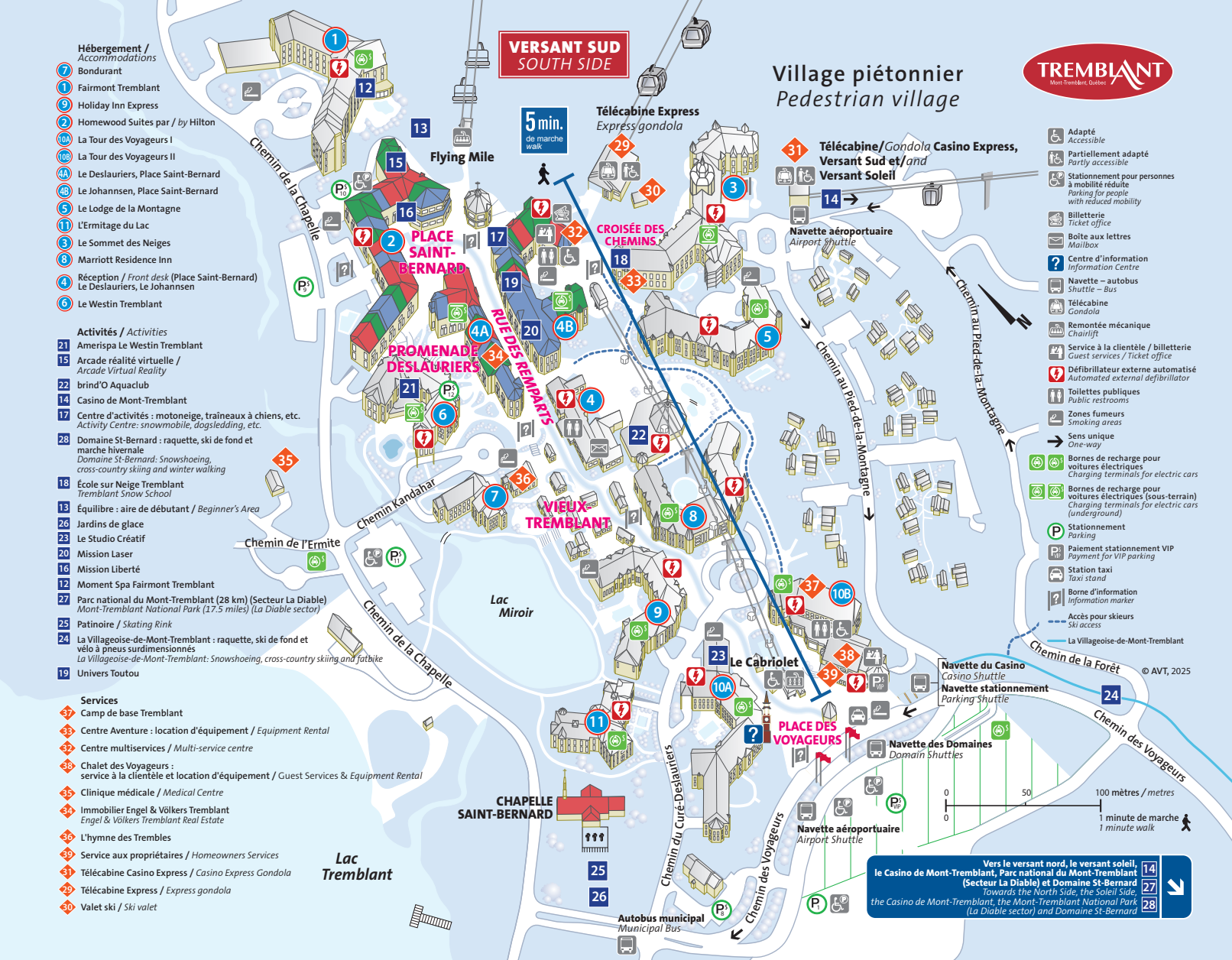
Most accommodation at Mont Tremblant is in and around the pedestrian village at the foot of the slopes, and it covers a good range, from smart hotels and all-suite lodges to self-catering condo apartments and larger chalets that work well for families and groups. Plenty of it is ski-in, ski-out or only a short walk from the lifts, and some looks out over the lake below. If you'd rather have more space or a quieter setting, there are hotels, chalets, and apartments dotted around the wider area too, from the resort's fringes down towards Mont-Tremblant town and the lakes.
The village itself is compact and easy to get around on foot, with an open-air lift, the Cabriolet, linking the lower and upper levels, so you don't need a car once you've arrived. Staying up near Place Saint-Bernard puts you right among the restaurants, bars, and main lifts, while the quieter Sunny Side (Versant Soleil) base is more peaceful with its own lift access to the mountain. Further out, staying around Mont-Tremblant town or Saint-Jovite gives you more of a local, lived-in feel, though you'll want a car to come and go from the slopes.
The standard Tremblant lift pass is the simplest option for most visitors, with day and multi-day tickets that cover all four mountain faces and the terrain parks. Mont Tremblant is also part of the Ikon Pass, so if you already hold one, the resort is included alongside dozens of other mountains across North America and beyond, a bonus if Tremblant is one stop on a bigger ski year rather than a one-off trip.
Check for multi-day pass options when booking your Mont Tremblant ski holiday package through WeSki to find the best fit for your trip.
Renting is easy at Tremblant, with several shops in the pedestrian village and at the base of the mountain hiring out skis, snowboards, boots, and helmets for every level. Alongside standard packages, most offer performance and demo gear if you fancy trying something higher-end, and there's an overnight ski-valet service at the base of the gondola, so you can leave your kit on the mountain rather than carrying it back each evening. If you'd rather skip the shop altogether, a couple of companies will even deliver your gear to your accommodation and fit it there. It's worth booking ahead over the busy weeks, as the most popular sizes can go early.
Mont Tremblant's pedestrian village is car-free and easy to get around on foot, with the restaurants, shops, lifts, and rental shops all packed into a compact, walkable space. The village climbs the hillside in two levels, and the Cabriolet, a free open-air lift, floats up between the lower village and the foot of the slopes, so there's no trudging uphill with your gear. A complimentary resort shuttle also loops between the various lodging areas and the village throughout the day, handy if you're staying a little further from the centre.
For getting around the wider resort, a free shuttle runs to the Casino de Mont-Tremblant, and the Casino Express gondola links the village to the Sunny Side (Versant Soleil) for skiing and the casino. The free municipal Bus Mont-Tremblant service connects the resort with the surrounding sectors, including the old village and the town of Saint-Jovite. If you're staying off-resort, around Lac Supérieur or Saint-Jovite, a car is the most practical option, though taxis and ride-sharing are available. There's parking in several lots by the village base, with the P1 lot closest to the lifts.
Mont Tremblant sits around 130km north-west of Montréal, in Quebec's Laurentian Mountains. The nearest major airport is Montréal-Trudeau International (YUL), about 135km from the resort, with Ottawa International (YOW) a little further at around 175km. Both handle international flights. The drive up from Montréal is straightforward, running north on the Autoroute des Laurentides, and the roads are well maintained through the winter.
WeSki offers car rentals from the airport as well as private transfers to Mont Tremblant. Add them to your Mont Tremblant ski holiday package for seamless door-to-door travel.
North American resorts use a different system from Europe's colour-coded runs. Green circles are beginner terrain, blue squares are intermediate (covering a wider range than European blues), black diamonds are advanced, and double black diamonds are expert only. There's no direct equivalent to the European red, so confident intermediates should know that some blue squares can be tougher than expected. It's worth starting cautiously and building up from there.
Yes, it's a strong choice. The South Side base has dedicated learning zones with gentle green-circle runs kept separate from faster traffic, and the Tremblant Snow School teaches in both English and French from age three. What makes it especially beginner-friendly is that green runs lead all the way from the summit to the base, so once you're steady on your skis you can ride the gondola to the top and still have an easy route down, a real confidence boost early in a trip.
It's helped by a combination of decent natural snowfall (around 4m in an average season) and one of the most powerful snowmaking systems in North America, with more than 1,000 snow guns covering the majority of the terrain. That backup matters in eastern Canada, where natural snow can be less consistent, and it keeps the season running dependably from late November into mid-April. The colder, north-facing slopes hold their snow especially well.
It's different in character rather than quality. The summit sits at 875m, lower than most Alpine resorts, but the cold Quebec winters and heavy snowmaking keep conditions good through the season. The terrain is largely forested, so tree skiing is a real highlight and the runs feel more intimate than the wide-open bowls of the Alps. The pedestrian village, meanwhile, has a European feel that many visitors from the Alps find familiar, with a dining and après-ski scene that's a big part of the appeal.
It's consistently ranked among the best family resorts in North America. The car-free pedestrian village is safe and easy to get around, there's a daycare for younger children (from age one) and ski school from age three, and the range of terrain means children of every age and ability have slopes to suit them. Off the snow, snow tubing, ice skating, and dog sledding are all close by, the restaurants are welcoming to children, and there's enough going on to keep everyone happy.
The simplest route is to fly into Montréal-Trudeau International Airport (YUL), which has direct flights from London and other UK airports, and is the main gateway for the resort. From there it's about 135km to Tremblant, roughly an hour and a half by road. Ottawa International (YOW) is an alternative but with fewer direct UK connections. WeSki can arrange a private transfer from the airport, or a hire car if you'd prefer the flexibility, as part of a Mont Tremblant holiday package.
Quebec winters are properly cold, and Tremblant is no exception. Temperatures can drop well below -20°C, especially in January and February, and the wind chill can make it feel colder still on exposed ridges. It's worth packing good base layers, a windproof outer shell, and a balaclava or neck gaiter for the coldest days. The upside is that the cold keeps the snow light, dry, and grippy underfoot.
 4.9/5
4.9/5I usually book flights, transfers, hotel, ski rental and lift passes myself but this year used WeSki for a trip to Morzine. It was so much easier. Everything worked perfectly - transfers arrived on time and there was plenty of feedback throughout the whole process giving you confidence the holiday would go smoothly.

A really useful service that is so much easier to use than other 'all-inclusive' sites. It nicely bridges the gap between a travel agent and booking the trip yourself online. I will use WeSki every time I go skiing from now on.
We booked a late minute skiing trip to Morzine through we ski. We looked at booking the trip ourselves but could get anywhere near the price quoted by we ski. The company was excellent and we had no problems at all from start to finish. I would definitely use them to book another weekend skiing trip.
Seamless experience from start to finish. I was spending ages trying to sort out a weekend break and managed to do it with we ski in minutes and for the same price as booking it all up yourself. Flight, transfer and accommodation was all as expected and faultless.

WeSki is a trading name operated by Wetrip Weski Ltd (BR021500). All the flights and flight-inclusive holidays on this website are financially protected by the ATOL scheme. When you pay you will be supplied with an ATOL Certificate. Please ask for it and check to ensure that everything you booked (flights, hotels and other services) is listed on it. Please see our booking conditions for further information or for more information about financial protection and the ATOL Certificate go to: www.caa.co.uk.
Package holidays that do not include travel by air are financially protected via ABTOT.
For the latest travel advice from the Foreign & Commonwealth Office visit www.gov.uk/foreign-travel-advice.